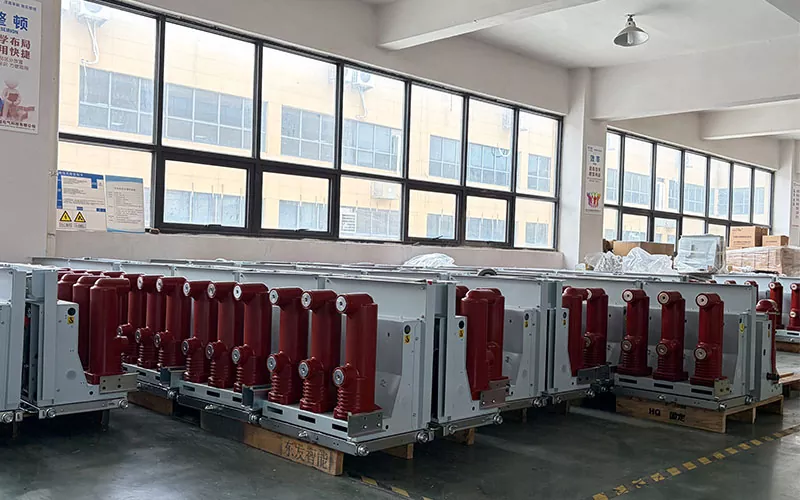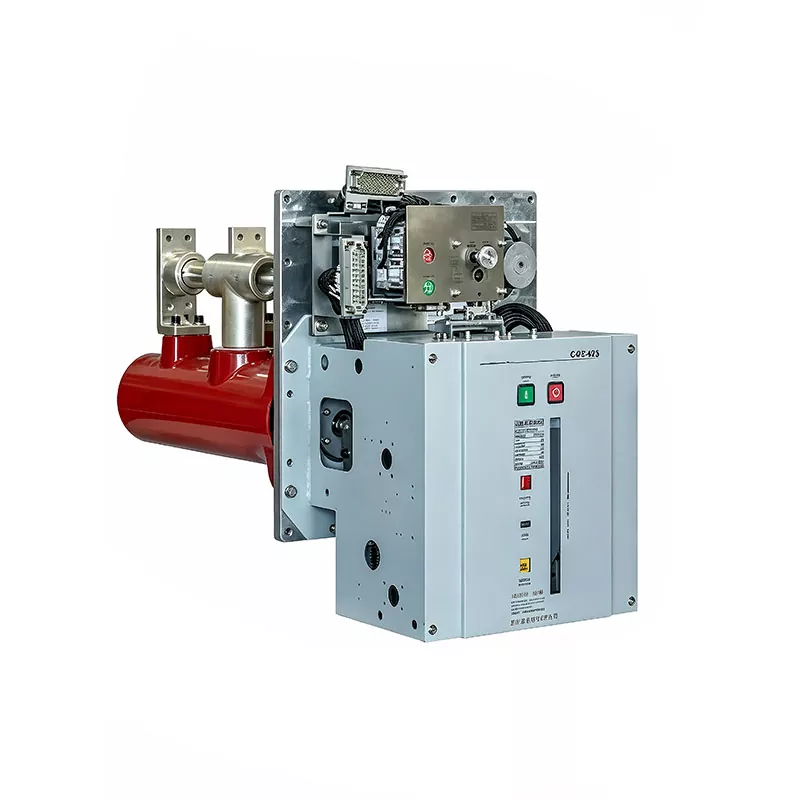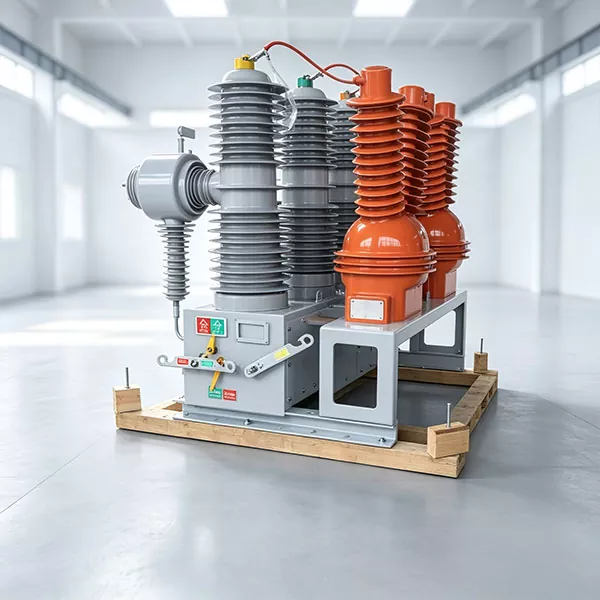

For 12kV to 40.5kV medium-voltage networks, vacuum circuit breakers are the default choice over legacy SF6 units: they contain zero greenhouse gases, do not lose dielectric strength in freezing or high-altitude conditions, and need virtually no primary-circuit maintenance. The main exception is high salt-spray coastal sites, where a vacuum interrupter housed in a sealed SF6 tank remains a practical hybrid solution.
Introduction
In 12kV to 40.5kV medium-voltage power projects, switchgear panel builders and EPC contractors often weigh vacuum circuit breakers (VCBs) against sulfur hexafluoride (SF6) breakers. While both clear fault currents safely, they differ sharply in arc-quenching media, thermal limits, and long-term maintenance expenses. Over 14 years of building vacuum circuit breaker units, Dongfa Intelligent has seen many field sites suffer high upkeep costs simply due to picking the wrong interrupting medium. Understanding the physical limits of both designs protects your project margins over its entire operational life.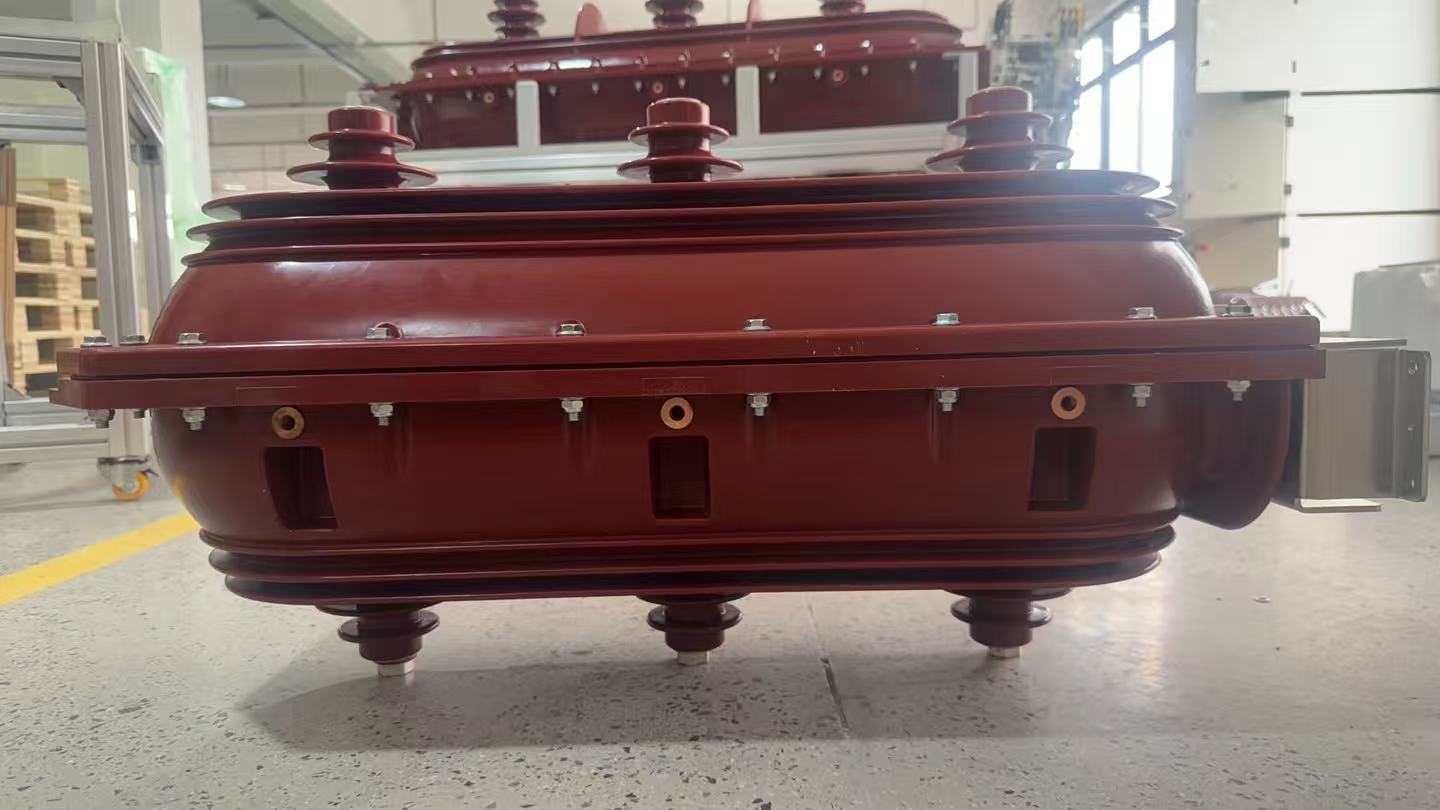
Arc-Quenching Physics & Site Endurance
The core difference between these two breakers lies in what extinguishes the electric arc, which dictates how they survive harsh site conditions:
- Extreme Heat & High Altitude Performance: A VCB breaks current inside a hermetically sealed vacuum interrupter. With virtually no gas molecules inside, external temperature swings do not affect its dielectric strength. SF6 breakers rely on pressurized gas; in freezing climates (below -30°C) or high-altitude regions with wide temperature drops, SF6 gas can liquefy, causing a sudden drop in insulating and interrupting capacity.
- Frequent Switching & Contact Life: Industrial mines and renewable power plants switch loads daily. VCB contacts experience minimal erosion, easily hitting M2 mechanical endurance (10,000+ operations) and E2 electrical life with zero internal maintenance. Conversely, SF6 gas breaks down into toxic byproducts during heavy fault interruptions, accelerating contact wear and requiring periodic gas refilling or desiccant replacement.
Environmental Compliance & Greenhouse Gas Rules
Major utility tenders and international renewable energy projects across the Middle East, Southeast Asia, and Africa are enforcing stricter carbon and environmental rules.
SF6 is a potent greenhouse gas with a Global Warming Potential (GWP) 23,500 times higher than carbon dioxide. Many international projects now impose strict gas recovery protocols at end-of-life, or levy heavy fines for minor gas leaks during operation.
Vacuum circuit breakers contain zero greenhouse gases. For substations requiring eco-friendly, gas-free switchgear, solid-insulated units like the 12kV indoor embedded pole vacuum circuit breaker and 40.5kV solid-insulated vacuum circuit breaker pair vacuum interruption with epoxy resin external insulation—eliminating gas leakage risks altogether.
VCB vs. SF6 at a Glance
| Comparison factor | Vacuum circuit breaker (VCB) | SF6 circuit breaker |
|---|---|---|
| Arc-quenching medium | Hermetically sealed vacuum interrupter; virtually no gas molecules inside | Pressurized SF6 gas |
| Cold / high-altitude behaviour | External temperature swings do not affect dielectric strength | Below -30°C or under wide temperature drops at altitude, gas can liquefy and insulating/interrupting capacity drops suddenly |
| Frequent switching & contact life | Minimal contact erosion; M2 mechanical endurance (10,000+ operations) and E2 electrical life, zero internal maintenance | Gas decomposes into toxic byproducts during heavy fault interruptions; faster contact wear, periodic gas refilling or desiccant replacement |
| Environmental compliance | Zero greenhouse gases; no gas recovery protocol or leak penalties | GWP 23,500× CO2; end-of-life gas recovery protocols and fines for minor leaks |
| Upfront purchase & commissioning | At 12kV and 24kV, mature supply chains keep pricing competitive with or lower than SF6; no on-site gas filling or leak testing | On-site gas filling and leak testing required |
| Routine inspection & spare parts | Primary circuit needs virtually zero intervention; periodic visual checks on secondary wiring and operating coils | Regular pressure checks, density relay monitoring, specialized technicians with gas carts for micro-leaks |
Hybrid note: in high salt-spray coastal sites, a vacuum interrupter inside a sealed SF6 tank combines vacuum switching life with gas-sealed corrosion protection.
When to Combine Technologies or Choose Specific Designs
In practical engineering, choosing equipment is about matching strengths to site hazards rather than sticking blindly to one rule:
- High Salt-Spray Coastal Sites: When substations sit on islands or humid coastlines, standard air insulation suffers from surface tracking. Housing a vacuum interrupter inside a sealed SF6 tank offers a practical hybrid—units like the 24kV 630A SF6 gas-insulated vacuum circuit breaker combine long vacuum switching life with complete gas-sealed corrosion protection.
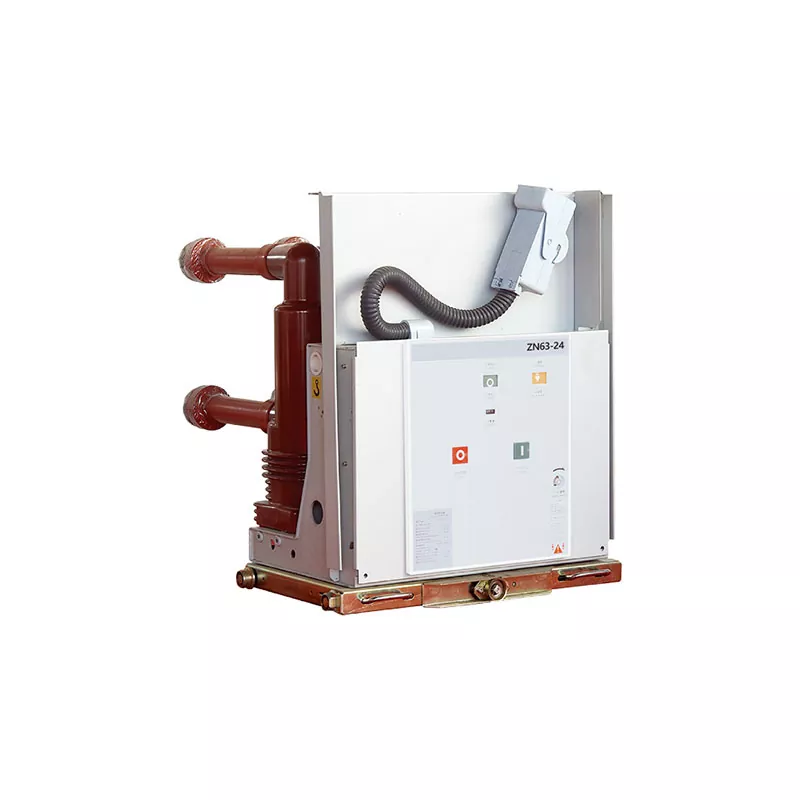
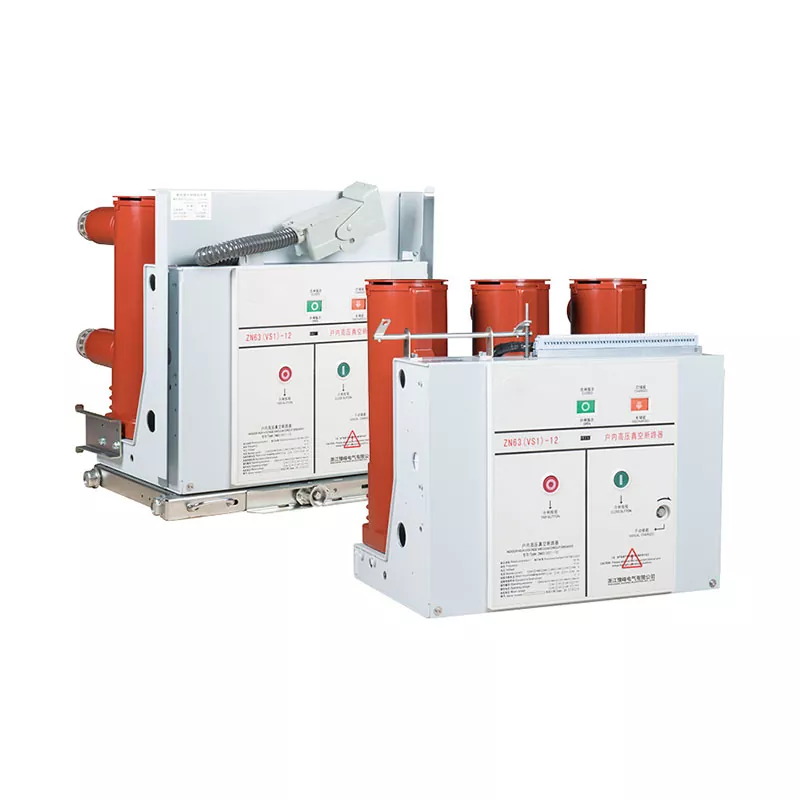
- Compact RMUs & Indoor Switchgear: For standard indoor substations, models such as the 24kV indoor vacuum circuit breaker, 40.5kV indoor high voltage vacuum circuit breaker, and space-saving 12kV indoor side-mounted vacuum circuit breaker handle daily loads cleanly. For compact ring main units (RMUs), the 12kV indoor three-position vacuum circuit breaker integrates breaking, isolating, and earthing in one frame, replacing legacy SF6 load break panels.
- Overhead Lines & Renewable Plants: Climbing utility poles to check gas pressure gauges is expensive. Maintenance-free reclosers like the 12kV outdoor pole-mounted permanent magnet vacuum circuit breaker and 24kV outdoor pole-mounted vacuum circuit breaker cut field patrol costs dramatically. Meanwhile, solar and wind farms rely on the 40.5kV wind and solar vacuum circuit breaker to survive frequent capacitor bank switching.
Lifecycle Maintenance Cost Breakdown
Evaluating equipment strictly on upfront purchase price misses the real operational expenses over a ten-year span:
- Upfront Purchase & Commissioning: At 12kV and 24kV ratings, mature VCB supply chains keep initial pricing competitive with—or lower than—SF6 units, with no need for on-site gas filling or leak testing.
- Routine Inspections & Spare Parts: SF6 breakers require regular pressure checks, density relay monitoring, and specialized technicians with gas carts whenever micro-leaks occur. Apart from periodic visual checks on secondary wiring and operating coils, VCB primary circuits require virtually zero intervention.
Explore full dimensional drawings and technical ratings on our vacuum circuit breaker product center.
Why Switchgear Builders Partner with Dongfa Intelligent
Since 2012, Dongfa Intelligent has focused on building dependable medium-voltage breakers and core electromagnetic drive assemblies:
- In-House Component Control: Starting out as a manufacturer of high-reliability solenoid coils and operating mechanisms, we control the most critical moving parts inside the breaker.
- Certified Quality & Type Tests: Operating under ISO 9001, ISO 14001, and ISO 45001 systems, our breakers comply with GB and IEC 62271 standards and carry formal Type Test Reports from accredited labs.
- Low MOQ & Custom Engineering: Standard units ship from a 1-unit MOQ. We tailor mounting dimensions, secondary control schematics, and OEM brand nameplates within 7–15 working days.
Product Pages Referenced in This Guide
Indoor & RMU
Gas-Free / Solid-Insulated
Outdoor & Renewables
Full Range
- Vacuum circuit breaker product center — dimensional drawings & technical ratings
Frequently Asked Questions (FAQ)
Q: How long does the vacuum inside a VCB interrupter last, and does it need refilling?
A: Modern ceramic vacuum interrupters are brazed and sealed under high-temperature vacuum furnaces at the factory. They typically last over 20 years in normal service with zero maintenance and never require on-site vacuum refilling.
Q: Can we install standard indoor VCBs in a coastal substation?
A: If the substation lacks strict dehumidification and salt-fog filtration, standard air-insulated breakers risk surface flashovers. Go with epoxy-cast units like our 12kV indoor embedded pole VCB or sealed gas units like the 24kV 630A SF6 gas-insulated vacuum circuit breaker to prevent corrosion.
Q: Can Dongfa adjust breaker dimensions to fit our existing switchgear cabinets?
A: Yes. Send us your panel mounting hole drawings and control voltage specs (such as DC 110V, DC 220V, or AC 220V), and our engineers will customize the frame and secondary wiring to match.
Conclusion & Engineering Consultation
With zero greenhouse gas emissions, minimal upkeep, and proven mechanical endurance, vacuum circuit breakers have become the standard choice over legacy SF6 units across medium-voltage networks. Whether your project requires rugged outdoor models like the 12kV outdoor vacuum circuit breaker and 40.5kV outdoor pole-mounted vacuum circuit breaker, or custom indoor switchgear assemblies, Dongfa Intelligent supplies tested, IEC-compliant equipment.
Contact Our Electrical Engineering Team:
Email: sales1@dongfaelectric.com
WhatsApp / Mobile: +86-18844971636
Website: www.dongfaelectric.com