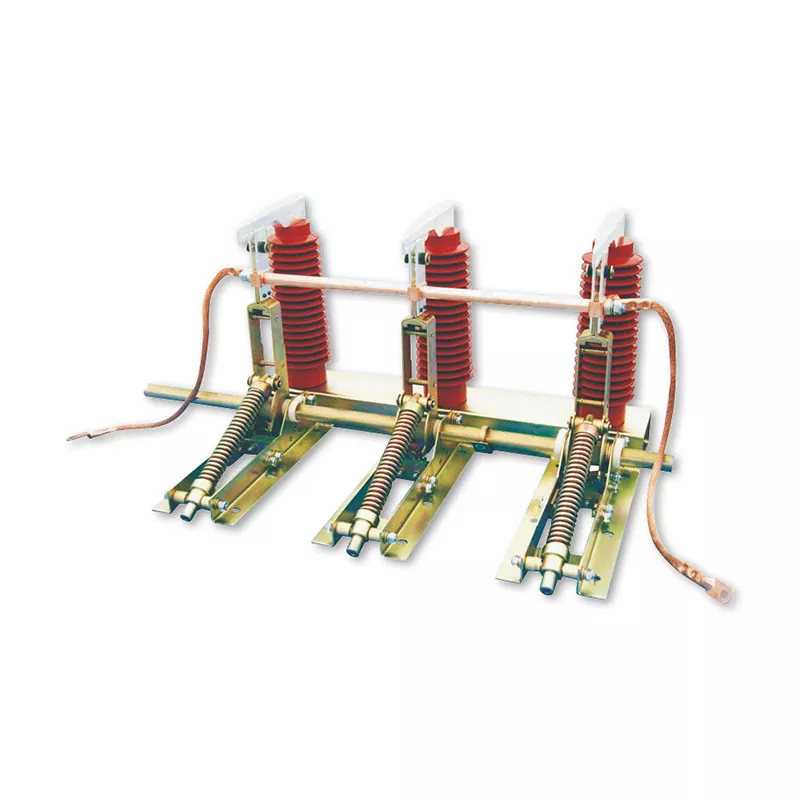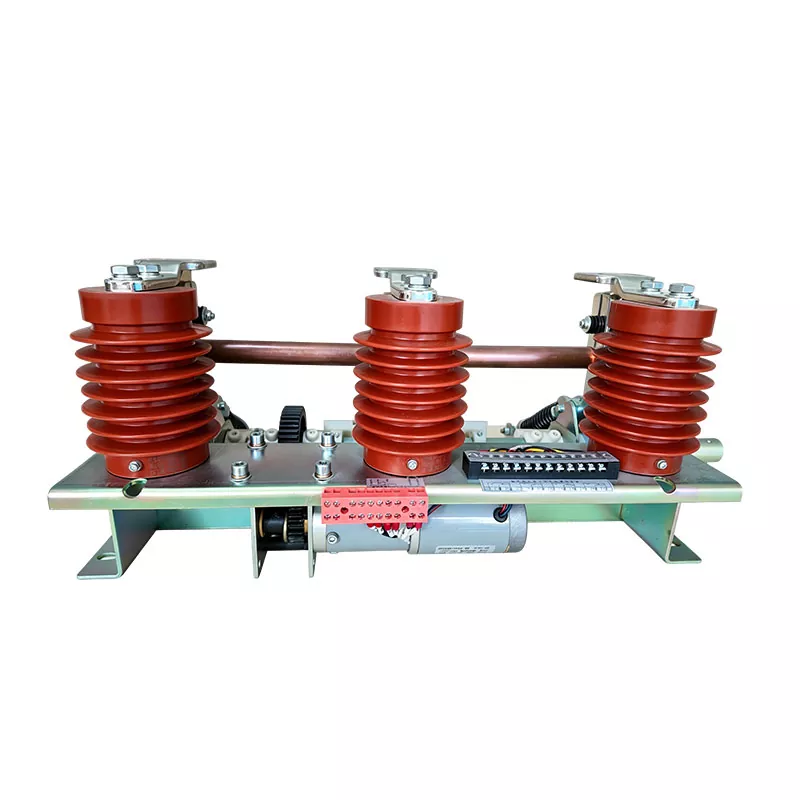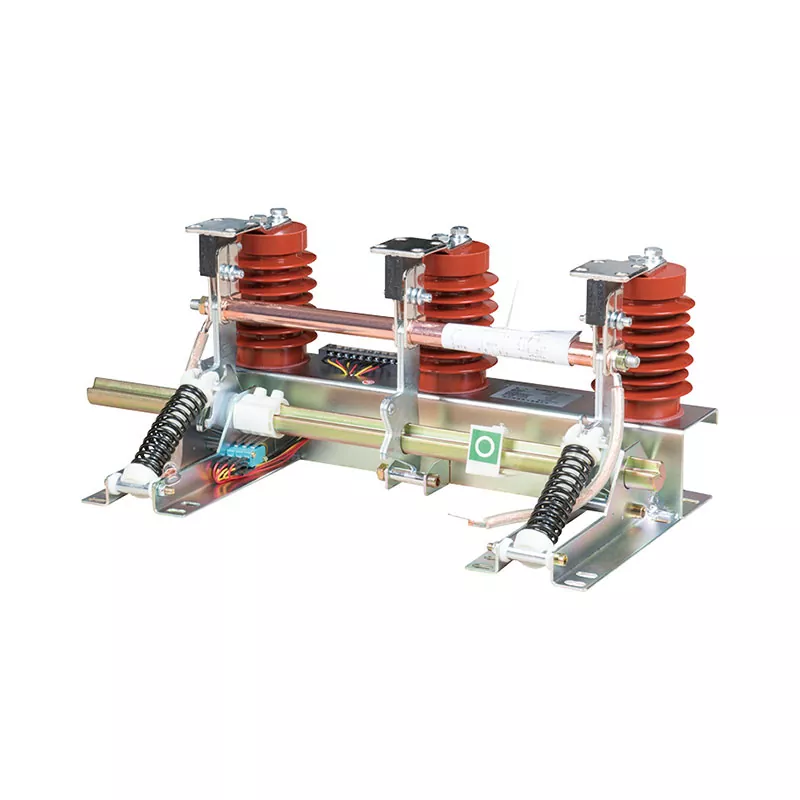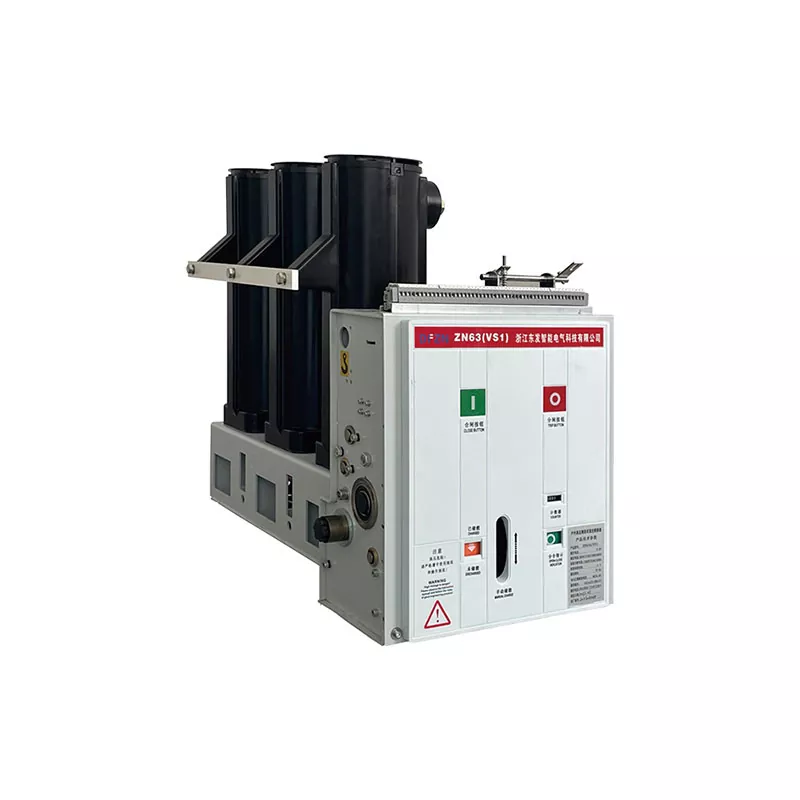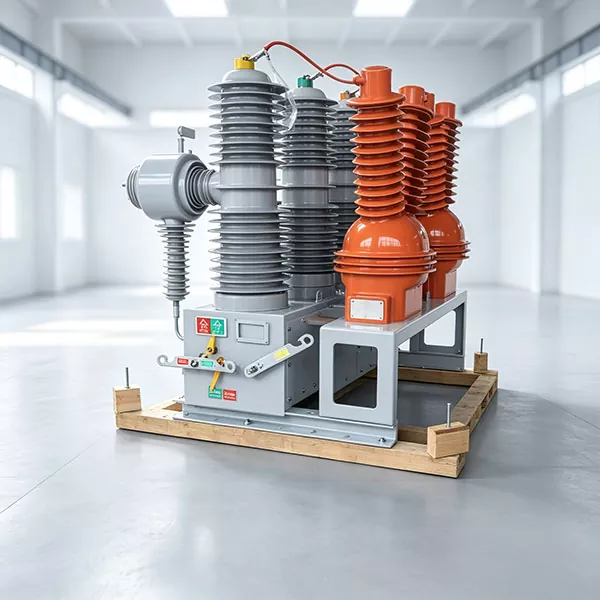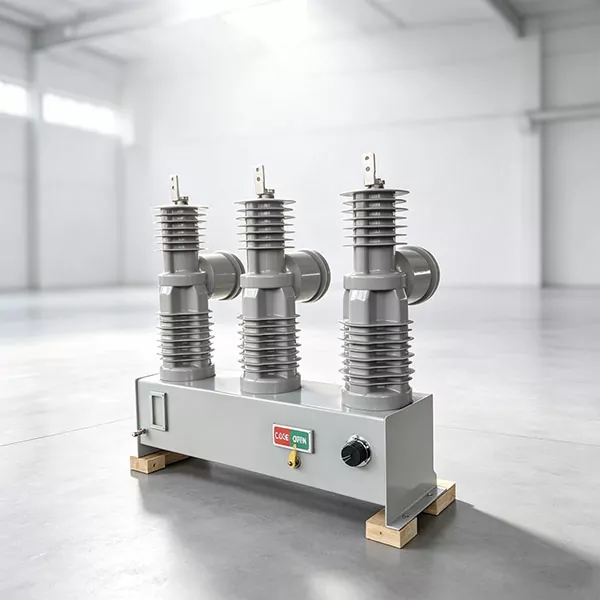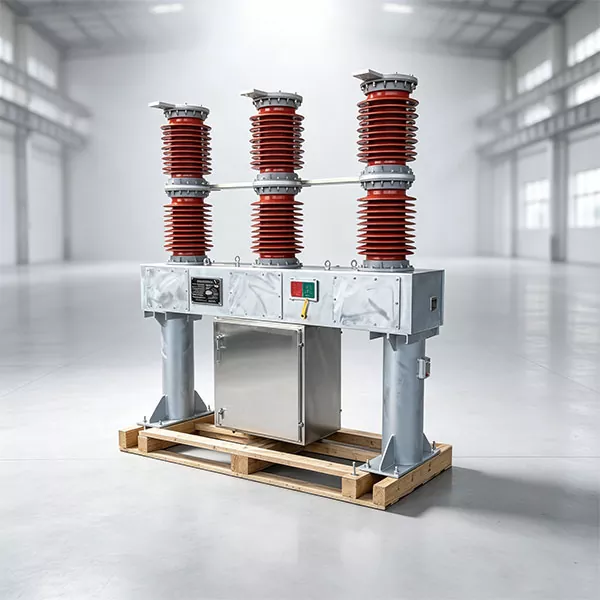
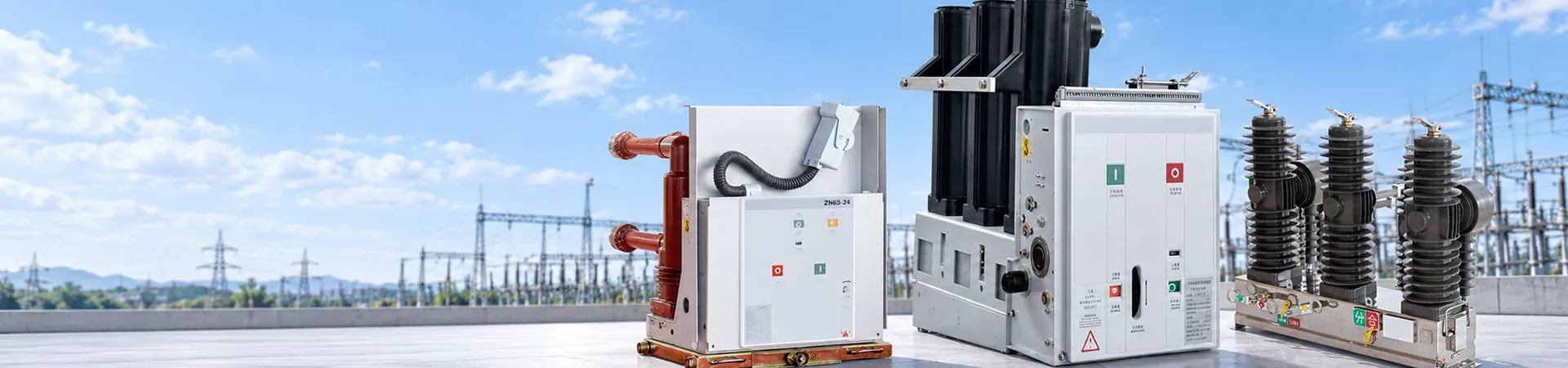
Dongfa Intelligent supplies global power engineering buyers with factory-direct earthing switches. However, many buyers habitually treat earthing switches as ordinary accessories — looking only at dimensions and price, ignoring their nature as a "safety component." This procurement misconception can lead to accidents at critical moments.
This article covers procurement misconceptions, selection points, company capabilities, and real data to help buyers establish correct earthing switch procurement logic.
An earthing switch is not an ordinary accessory — it is a safety component. These three misconceptions are the most common and the most dangerous.
The rated short-circuit making current (e.g., 80kA) is the peak current the earthing switch can withstand when mistakenly closed onto an energized line.
If insufficient: contacts may weld, fracture, or even fly off at the moment of closing — directly threatening lives.Thermal stability current (e.g., 31.5kA/4s) is the ability to continuously withstand short-circuit current in the closed state. Making current (e.g., 80kA) is the ability to withstand peak current at the moment of closing.
Many suppliers only specify thermal stability current, not making current. Buyers who don't ask may receive non-compliant products.In the closed state, the earthing switch must continuously withstand system voltage (phase-to-earth). 12kV earthing switches have 42kV power-frequency withstand; 40.5kV earthing switches reach 95kV.
Insufficient insulation level can lead to breakdown or flashover during long-term operation.Only after these three indicators meet requirements should dimensions, price, and lead time be compared.
Continuous short-circuit withstand in the closed state — typically expressed as kA / 4s.
Peak current withstand at the moment of mistaken closing — the life-safety indicator.
Power-frequency and lightning impulse withstand for phase-to-earth voltage.
The earthing switch's phase spacing and mounting dimensions must match the switchgear's busbar arrangement exactly. Replacement projects especially need attention: existing cabinet phase spacings and mounting hole distances are often non-standard, and standard products may not fit.
Some compact phase spacing configurations (e.g., 12kV 150mm, 40.5kV 300mm) require phase-to-phase insulating partitions. This is not an optional configuration but a necessary measure to ensure insulation reliability. During selection, confirm whether the cabinet has reserved space for insulating partition installation.
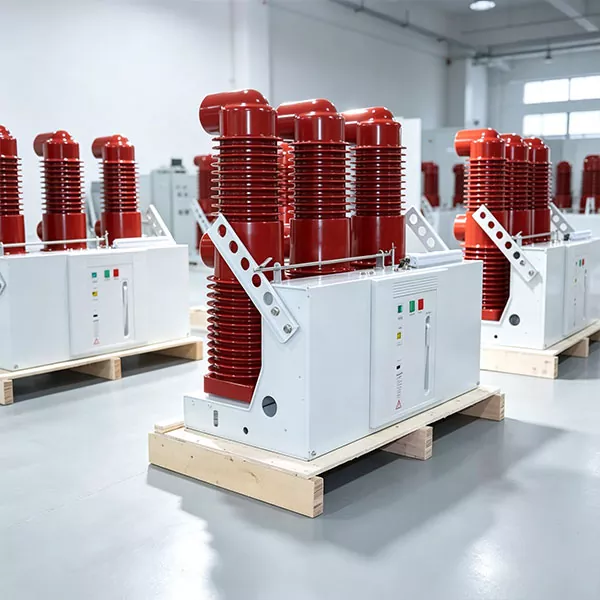
Earthing switches are safety components and cannot be mixed with ordinary switch components on the same line. We have established a dedicated earthing switch production line in our factory. From copper bar processing, contact silver plating, spring assembly to mechanism adjustment, every process has independent workstations and inspection standards. The benefit of dedicated production: stable process parameters, unaffected by other product changeovers, and high batch consistency.
For safety components like earthing switches, we implement a full inspection system, not sampling. Every unit must pass resistance test, mechanical operation test, withstand voltage test, and vacuum degree inspection before shipment. Only fully qualified units are dispatched. Test records are traceable and available upon request. Certified to ISO 9001, ISO 14001, and ISO 45001, with CNAS/IAF recognized testing capability.
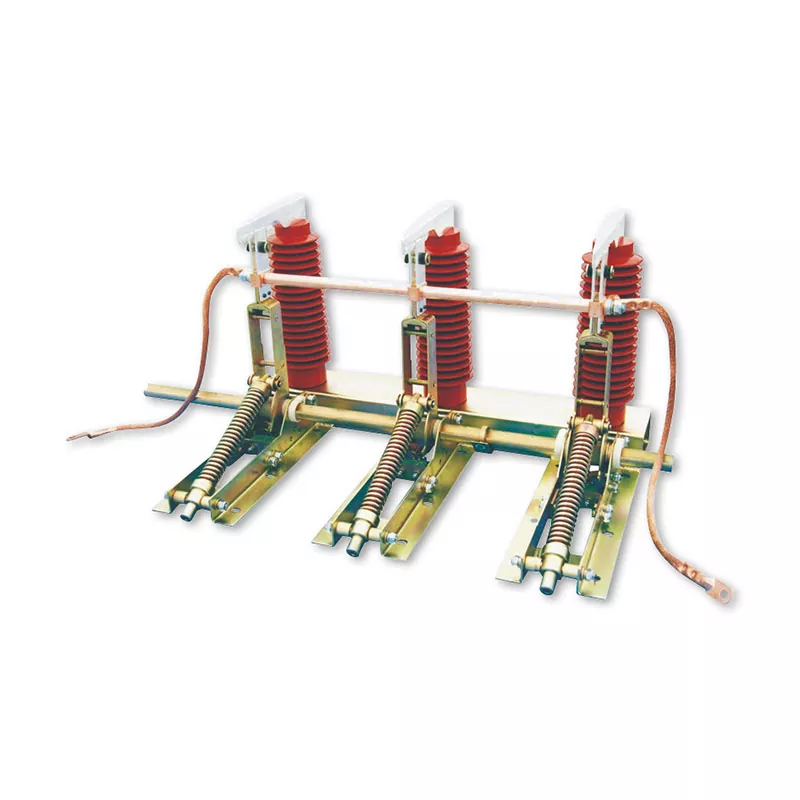
| Model | JN15-12/31.5 | JN22-40.5/31.5 |
|---|---|---|
| Rated Voltage | 12kV | 40.5kV |
| Thermal Stability Current (4s) | 31.5kA | 31.5kA |
| Short-Circuit Making Current | 80kA | 80kA |
| Peak Withstand Current | 80kA | 80kA |
| Power-Frequency Withstand | 42kV | 95kV |
| Lightning Impulse Withstand | 75kV | 185kV |
| Phase Spacing | 210 / 230 / 250 / 275mm | 300 / 350 / 400mm |
| Insulating Partition Requirement | — | 300mm config requires |
| Mechanical Life | 2,000 operations | 2,000 operations |
The questions buyers ask most often before placing an earthing switch order — answered in plain technical language.
Because an earthing switch never carries normal load current. It only carries current in two situations: (1) when closing onto a live line by mistake, and (2) when short-circuit current flows through it in the closed state during a fault. Both are short-circuit currents, so the rated capacity is expressed as kA — not amperes. A "630A earthing switch" would be a meaningless specification.
"Mistaken closing" means the earthing switch is closed while the line is still energized — the operator believed the circuit was de-energized, but it wasn't. It can happen from a missed interlock, a faulty voltage detector, or a communication error between crews. It is rare, but it does happen, and when it does, the earthing switch must survive the resulting peak current. That is why the short-circuit making current indicator (e.g., 80kA) is a life-safety parameter.
At the instant of closing, the contact gap breaks down and an arc forms. If the making current rating is insufficient, the electromagnetic force from the fault current can exceed the contact's mechanical strength. The contacts may weld together, fracture, or in extreme cases be blown off the mechanism — sending hot metal fragments toward the operator. The arc itself can also cause a phase-to-phase flashover inside the cabinet.
Because an earthing switch is not designed for frequent operation. In normal service, it is closed only during maintenance — perhaps a few times per year. Over a 20-year service life, that totals far less than 2,000 operations. The 2,000-operation rating is the guaranteed minimum under IEC standards, not a limitation. What matters more is that the 2,000th operation must be as reliable as the first.
Because a sampling plan accepts a statistical defect rate. If sampling allows even 1 in 100 units to have insufficient making current, that defect may land on the one unit that is called upon to operate during a real fault — and a failure at that moment endangers lives. Full inspection costs more per unit but eliminates the possibility that a single defective earthing switch reaches the field.
Yes. Every earthing switch is shipped with a traceable test record covering resistance, mechanical operation, withstand voltage, and vacuum degree inspection. We are certified to ISO 9001, ISO 14001, and ISO 45001, with CNAS/IAF recognized testing capability. Third-party type test reports are available on request for project acceptance documentation.
Dongfa Intelligent was founded in 2012 in Yueqing Economic Development Zone, Wenzhou, Zhejiang — China's high-voltage electrical industrial hub. The factory covers over 2,000㎡, with 17 employees, 4 technical engineers, 2 production lines, and 1 set of testing equipment. Monthly capacity: 600–700 units. Annual capacity: 7,000–8,000 units. Products have been exported to Southeast Asia and parts of Europe.
Our technical team reviews all safety-critical parameters with you before production. For earthing switches, we recommend buyers provide: voltage class, thermal stability current requirements, short-circuit making current requirements, phase spacing, mounting dimensions, switchgear information, and quantity. If the original earthing switch model or drawings are still available, please include them — we can assist in confirming compatibility.
“We purchased Dongfa Intelligent's 12kV earthing switches for a mining project in Africa, used for maintenance earthing in outdoor distribution cabinets. Their technical team helped us confirm making current and thermal stability current parameters and provided complete inspection records. During project acceptance, the owner was very satisfied with the quality control of safety components.” — Procurement Manager, International Engineering Company
Please provide: Voltage Class + Thermal Stability Current Requirements + Short-Circuit Making Current Requirements + Phase Spacing + Mounting Dimensions + Quantity. If you have the original earthing switch model or drawings, please include them. Our technical team will confirm compatibility and provide a matching solution within 24 hours.
Send Safety Parameters Voltage · Making Current · Phase Spacing