
When designing medium-voltage distribution networks or selecting components for switchgear assemblies, the vacuum circuit breaker serves as a critical core switching device. Its operational reliability directly affects the power supply continuity of the entire feeder circuit.
In years of practice involving medium-voltage switchgear manufacturing and technical support, we have observed that many instances of abnormal equipment operation stem not from inherent product quality defects, but from initial selections that failed to fully match the actual physical environment of the site. For example, after operating in high-temperature and high-humidity environments for a period, equipment may experience reduced insulation performance due to localized condensation or seal degradation; alternatively, mechanical transmission components may wear down under frequent operation conditions.
To ensure long-term, stable system operation, selection should be comprehensively evaluated based on specific electrical parameters, environmental conditions, and physical characteristics.
From an engineering application perspective, evaluating the performance of medium-voltage vacuum circuit breakers primarily relies on several key dimensions:
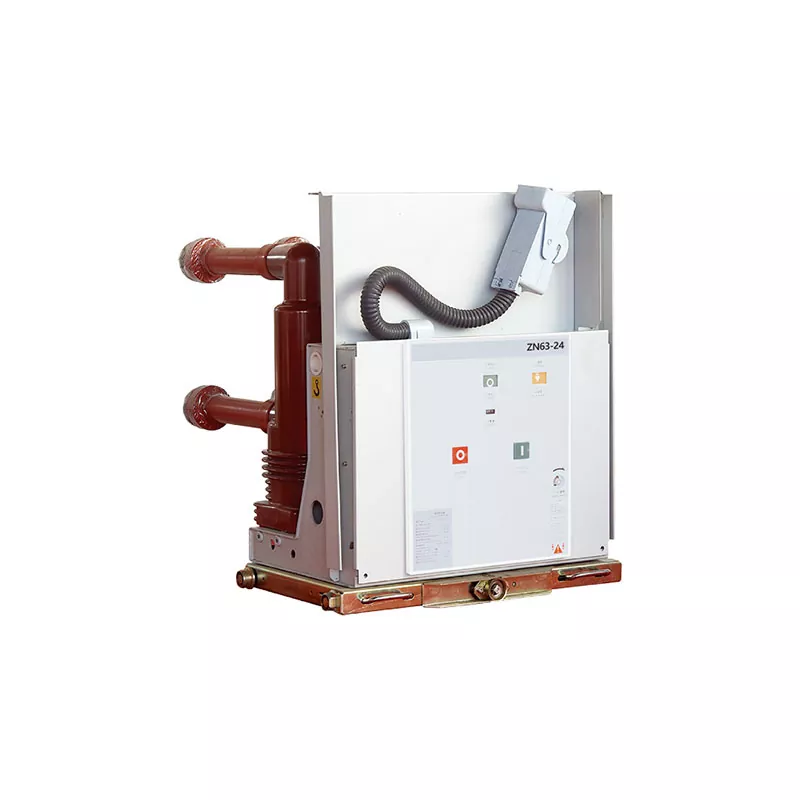
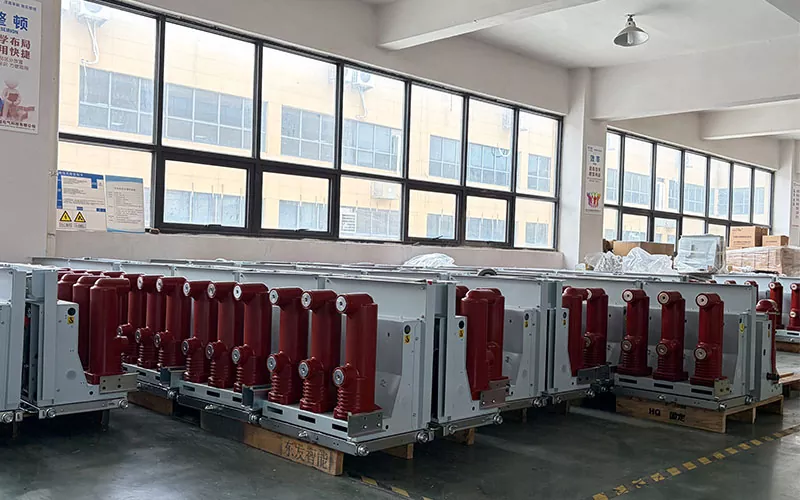
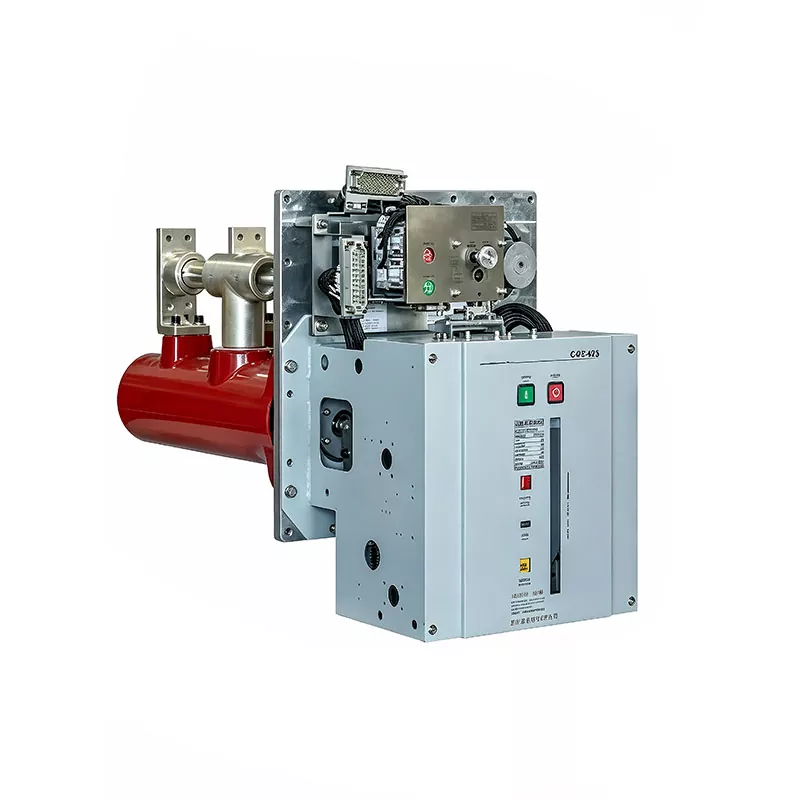
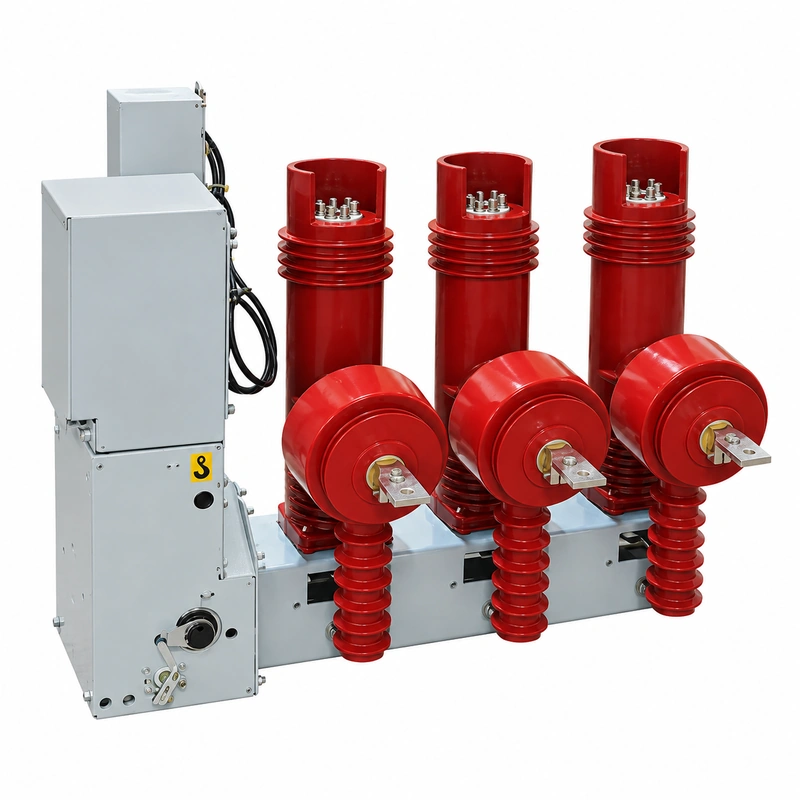
In high-humidity, dusty, or coastal high-salt-fog environments, conventional air-insulated designs are prone to flashovers caused by surface contamination accumulation. Equipment utilizing embedded pole technology (such as the 12kV Indoor Embedded Pole Vacuum Circuit Breaker) casts the vacuum interrupter directly inside epoxy resin, structurally isolating the external environment from the exterior insulation of the interrupter and enhancing environmental tolerance.
For projects facing high ambient temperatures or continuous full-load operation, the contact resistance of the circuit breaker's main circuit and the contact silver-plating process are vital. Products featuring sound thermal design ensure continuous rated current passage without excessive overheating under elevated ambient temperatures.
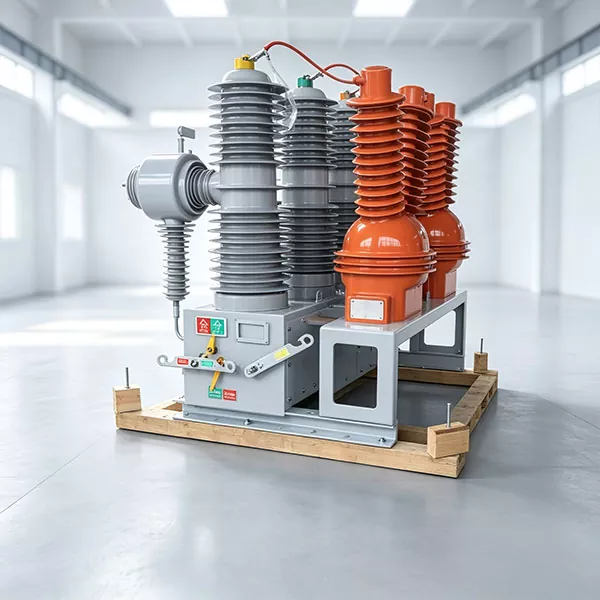
In industrial and renewable energy settings with frequent switching operations, the durability of the operating mechanism directly correlates with maintenance intervals. Selecting mature mechanisms complying with M2 mechanical endurance (e.g., 10,000 fault-free operations) and E2 electrical life, or adopting structurally simplified units like the 12kV Outdoor Pole-Mounted Permanent Magnet Vacuum Circuit Breaker in outdoor overhead lines, helps reduce mechanical wear and routine maintenance workloads.
Different installation spaces and external environments impose distinct adaptation requirements on the mechanical structures of circuit breakers:
| Application Scenario & Working Conditions | Recommended Circuit Breaker Model | Core Engineering Features & Adaptability Advantages |
|---|---|---|
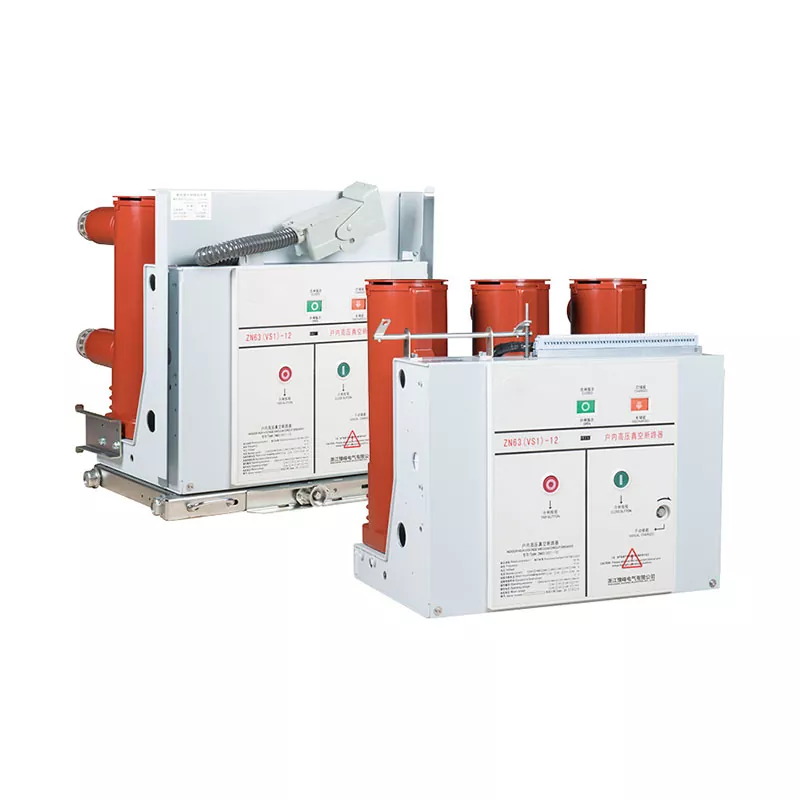
| Standard Indoor Medium-Voltage Switchgear (e.g., KYN28) | 12kV Indoor Embedded Pole Vacuum Circuit Breaker | Epoxy embedded structure, effectively moisture- and dust-resistant, suitable for conventional indoor substations. |
| Space-Constrained Indoor Medium-Voltage Switchgear | 12kV Indoor Side-Mounted Vacuum Circuit Breaker | Optimized dimensions, facilitating spatial layout, installation, and wiring within switchgear panels. |
| Compact Ring Main Unit (RMU) Integration | 12kV Indoor Three-Position Vacuum Circuit Breaker | Integrates switching, isolation, and grounding functions, reducing panel space occupation. |
| Urban and Rural Overhead Distribution Networks (Outdoor Reclosers) | 12kV Outdoor Vacuum Circuit Breaker or 24kV Outdoor Pole-Mounted Vacuum Circuit Breaker | Utilizes stainless steel sealed enclosures, offering sound rain-resistant and wind-load-bearing capabilities. |
| Large-Scale Photovoltaic Power Plants & Wind Power Step-Up Stations | 40.5kV Wind and Solar Vacuum Circuit Breaker | Optimized internal insulation and thermal capacity, accommodating frequent switching and high-altitude environments. |
If you need to consult more detailed mechanical dimension drawings or electrical schematic diagrams, you can visit our vacuum circuit breaker product center. Additionally, for specific high-voltage or outdoor backbone network applications, you may also refer to the 40.5kV Solid-Insulated Vacuum Circuit Breaker and 24kV Outdoor Pole-Mounted Vacuum Circuit Breaker.
During the production and manufacturing stages, ensuring stable product quality requires reliance on standardized process flows and rigorous control:
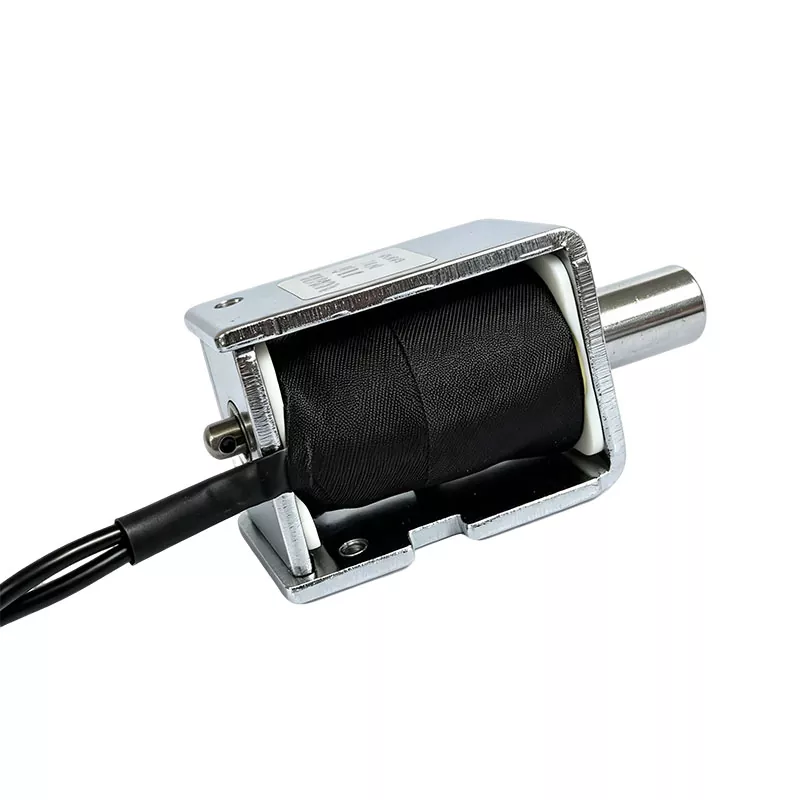
· Independent Research and Manufacturing of Core Components: Since 2012, Dongfa Intelligent has continuously invested in the independent research and development of electromagnetic coils and operating mechanisms, securing stability across control and driving stages.
· Rigorous Type Testing Verification: Product design strictly complies with GB and IEC 62271 standards, accompanied by complete type test reports issued by national-level authoritative laboratories, meeting technical compliance requirements for various project bidding processes.
· Flexible Engineering Customization Capability: Supporting small-batch minimum order quantities for standard models. For installation dimension discrepancies or control voltage matching issues (such as DC 110V/220V) potentially encountered during old switchgear retrofits, the engineering team can provide targeted technical adaptation solutions.
A: High-quality embedded poles depend on the matching design of epoxy resin formulas, curing processes, and linear expansion coefficients. Through rigorous high-low temperature cycling tests and vacuum pressure casting controls, internal stress cracking can be effectively avoided, maintaining partial discharge levels within minimal thresholds.
A: The product datasheets explicitly outline all breaking parameters, short-time withstand currents, and endurance classes. Type test reports issued by national-level laboratories can also be provided upon request for technical evaluation by clients.
A: Yes, it is supported. The engineering department can perform customized designs for auxiliary switches, opening/closing release coils, and interface definitions based on the secondary control schematics and mechanical interlocking requirements provided by clients.
Circuit breaker selection is fundamentally a process of scientifically matching site working conditions with electrical characteristics. Whether you require high-reliability indoor units (such as the 12kV Indoor Embedded Pole Vacuum Circuit Breaker) or recloser products suited for outdoor environments (such as the 12kV Outdoor Pole-Mounted Vacuum Circuit Breaker), the engineering team at Dongfa Intelligent is consistently prepared to deliver professional and rigorous technical support.
· Engineering Email: sales1@dongfaelectric.com
· Technical Consultation (WhatsApp / Phone): +86-18844971636
Official Website: www.dongfaelectric.com
-