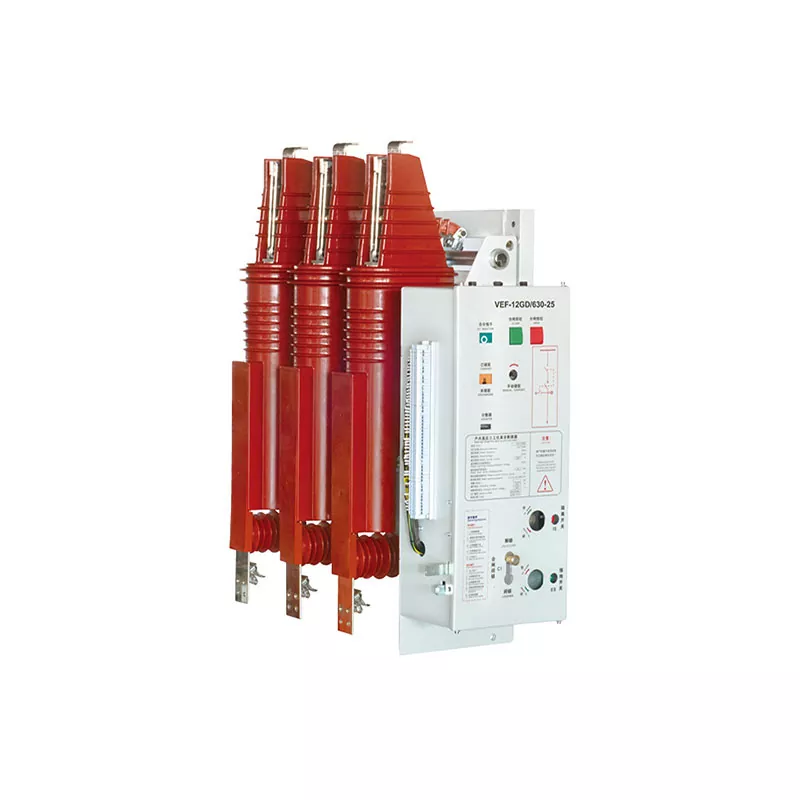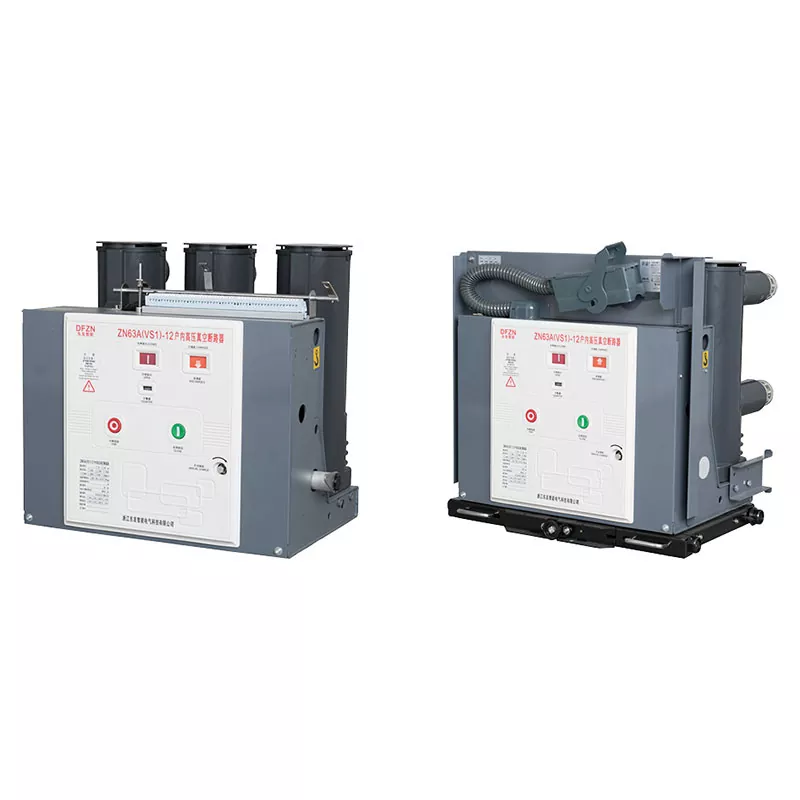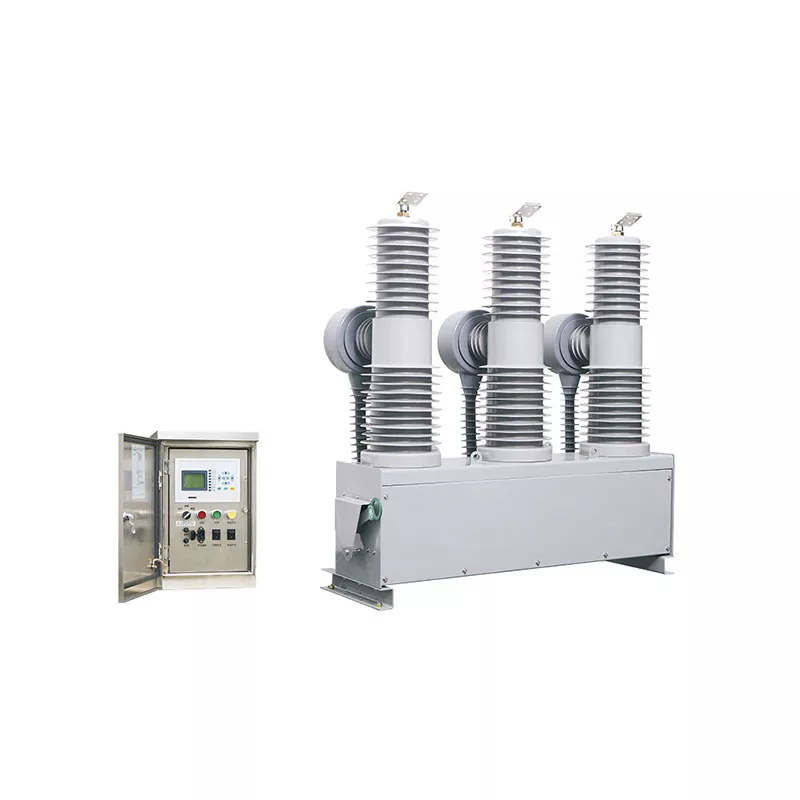

Reliable medium-voltage power distribution depends on more than a stable electricity supply. Utilities, industrial facilities, and infrastructure operators also need dependable protection against short circuits, overload-related faults, and abnormal operating conditions. A 24kV Outdoor Pole-Mounted Vacuum Circuit Breaker provides a practical switching and protection solution for suitable overhead distribution networks, combining vacuum arc interruption with an outdoor-ready installation design.
For project engineers, electrical contractors, and procurement teams, selecting the right equipment involves several considerations: rated voltage, fault-current capacity, insulation performance, environmental conditions, operating mechanisms, and compatibility with the existing protection system. Understanding these factors before purchasing helps reduce installation problems, avoid specification mismatches, and improve long-term operating reliability.
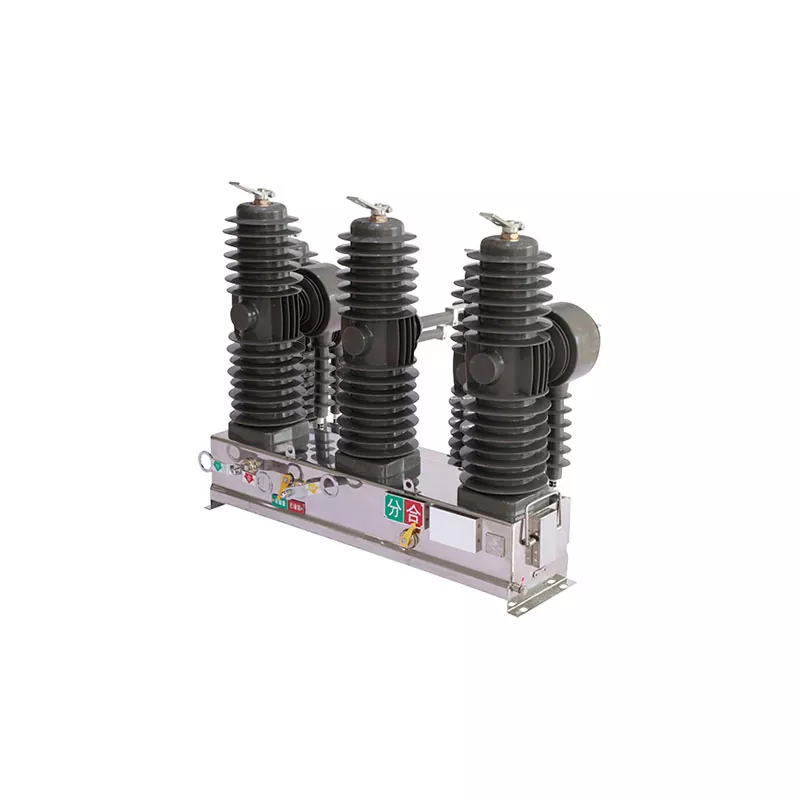
1. What Is a 24kV Outdoor Pole-Mounted Vacuum Circuit Breaker?
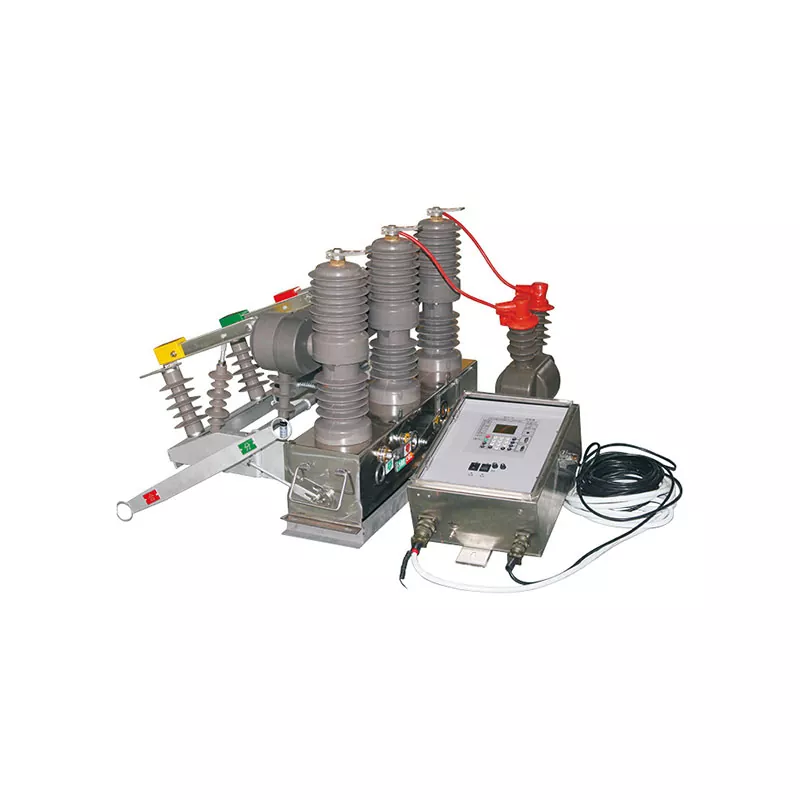
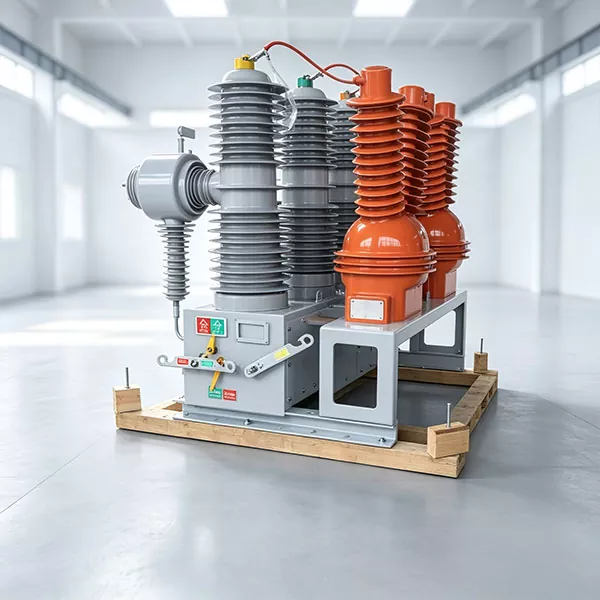
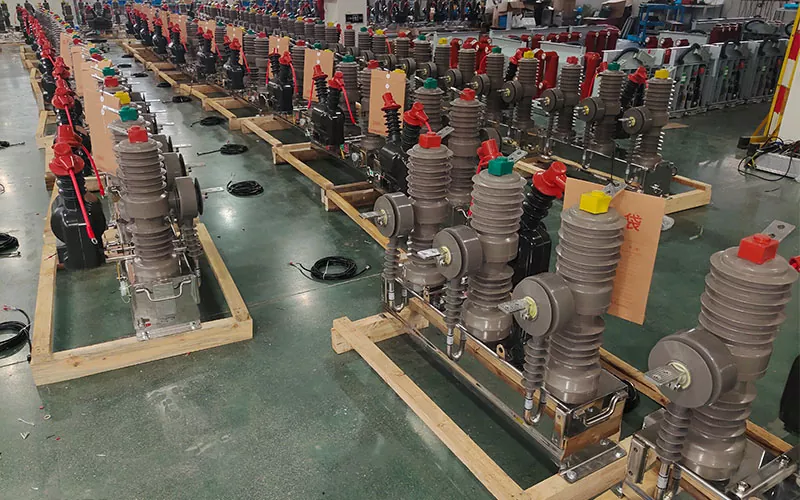
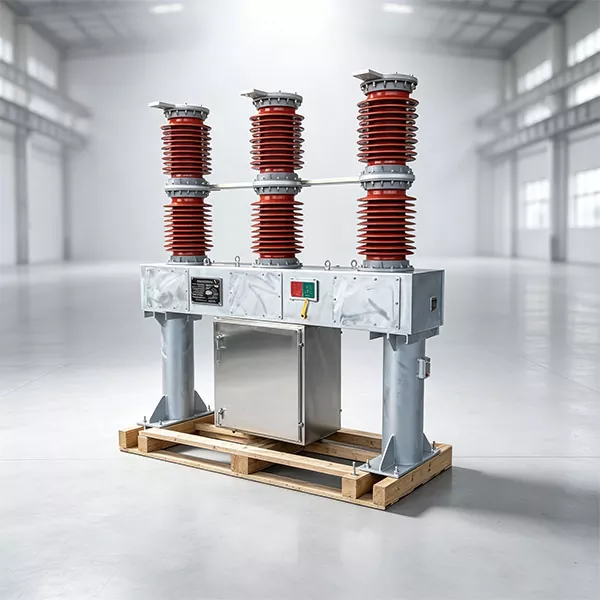
A 24kV Outdoor Pole-Mounted Vacuum Circuit Breaker is a medium-voltage electrical switching device designed for installation on a utility pole or a suitable overhead distribution structure. It opens or closes an electrical circuit under specified operating conditions and interrupts fault current when the protection system commands it to trip.
The term 24kV identifies the equipment's rated voltage class. It does not automatically mean that every installation operates at exactly 24kV. The circuit breaker's suitability must be confirmed against the network's nominal voltage, maximum system voltage, insulation coordination requirements, and applicable electrical standards.
Unlike conventional oil circuit breakers, vacuum circuit breakers extinguish the switching arc inside a sealed vacuum interrupter. Outdoor designs also incorporate insulation supports, a mechanical operating system, electrical connections, and appropriate protection against the installation environment.
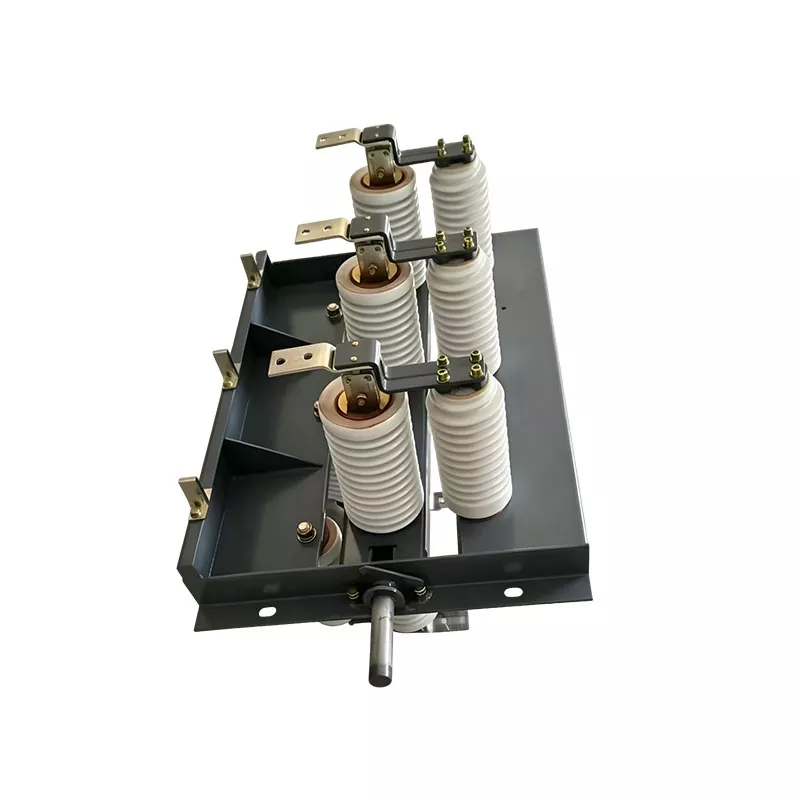
Main Components
- Vacuum interrupters: Interrupt current by extinguishing the arc inside sealed vacuum chambers.
- Insulating supports: Provide electrical insulation between energized components and the grounded structure.
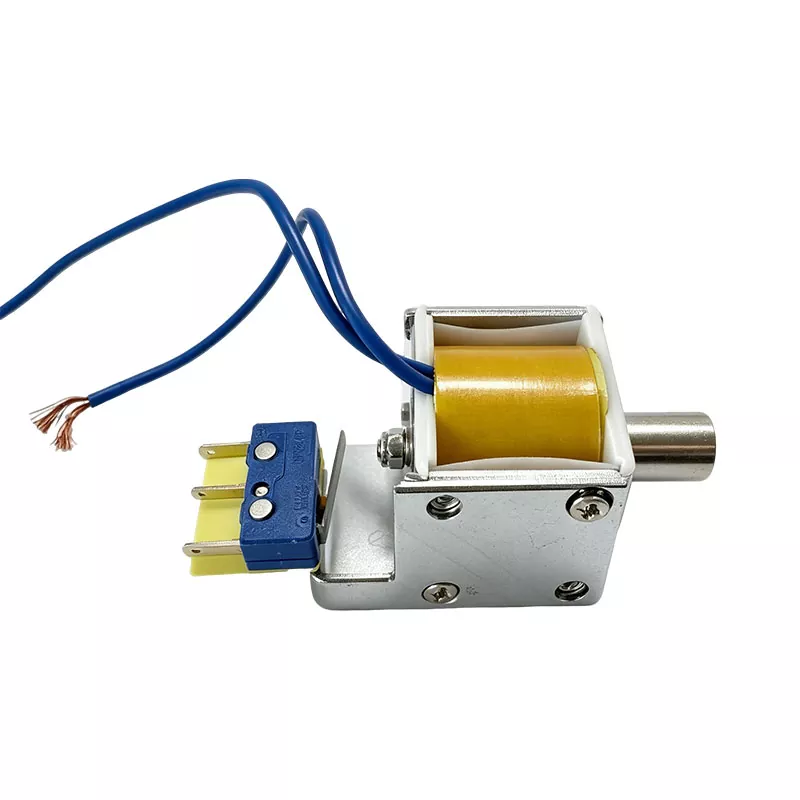
- Operating mechanism: Opens and closes the contacts through a spring-operated or another approved mechanism.
- Mounting frame: Secures the assembly to a suitable pole structure.
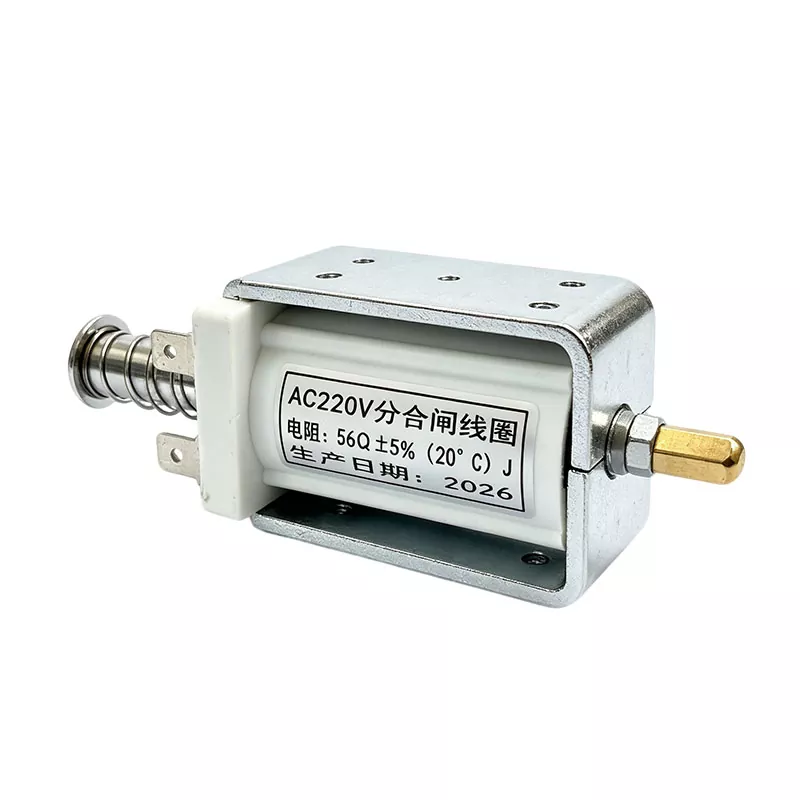
- Control and auxiliary circuits: Support electrical operation, status indication, and protection-system integration where provided.
- Optional accessories: May include current transformers, controllers, isolating switches, communication modules, or surge arresters, depending on the design.
The exact configuration varies by model. Buyers should verify which components are included in the quoted supply rather than assuming every outdoor breaker has the same protection, monitoring, or remote-control capabilities.
2. How Does Vacuum Interruption Technology Work?
During normal operation, the circuit breaker's contacts remain closed and carry the intended load current. When a fault occurs, the protection relay or controller evaluates the measured electrical conditions and issues a trip command when its configured settings are satisfied.
The operating mechanism separates the contacts inside the vacuum interrupter. An arc can form between the separating contacts, but the vacuum environment limits the available ionizable medium. At the appropriate current zero, the arc extinguishes, and the contact gap recovers its dielectric strength to withstand the voltage across the open circuit.
The Operating Sequence
- Normal conduction: Closed contacts carry current through the distribution circuit.
- Fault detection: A relay or compatible protection device identifies an abnormal electrical condition.
- Trip command: The control circuit activates the opening mechanism.
- Contact separation: The vacuum interrupter opens and interrupts the current according to its rated duty.
- Isolation and recovery: The breaker remains open until an authorized operating sequence permits re-energization.
This technology is widely used in medium-voltage distribution because vacuum interrupters can provide effective arc interruption in a compact sealed assembly. Their performance nevertheless depends on correct ratings, mechanical integrity, control-system coordination, and compliance with the manufacturer's operating instructions.
3. What Benefits Does This Equipment Offer?
For overhead distribution projects, the main value of a 24kV Outdoor Pole-Mounted Vacuum Circuit Breaker is its ability to combine electrical protection with a practical outdoor mounting arrangement. The following benefits depend on the selected model and the quality of the complete installation.
3.1 Reliable Fault Interruption
Correctly rated vacuum circuit breakers can interrupt specified load and fault currents, helping protect downstream equipment and limit the extent of electrical disturbances. The breaking capacity must be sufficient for the maximum prospective short-circuit current at the installation point.
3.2 Efficient Use of Installation Space
Pole-mounted equipment uses the existing overhead-line structure rather than requiring a dedicated ground-level switchgear room. This can be advantageous in rural distribution networks, industrial campuses, and locations where available land is limited.
3.3 Reduced Routine Servicing Requirements
Vacuum interrupters are sealed units and do not require the same arc-quenching oil management associated with oil circuit breakers. Routine inspections still remain necessary for the operating mechanism, insulation, terminals, control wiring, and outdoor mounting structure.
3.4 Flexible Protection-System Integration
Depending on the model, the breaker may be used with external relays, electrical operating controls, remote terminal equipment, or distribution automation systems. These capabilities can help operators improve fault response and monitor network status when the complete system is designed appropriately.
3.5 Suitability for Outdoor Distribution
Purpose-designed outdoor equipment can withstand specified rain, temperature variations, wind exposure, and other environmental stresses. Actual suitability depends on insulation design, enclosure protection, corrosion resistance, pollution severity, altitude, and the environmental limits declared by the manufacturer.
4. Where Is a 24kV Pole-Mounted VCB Used?
A 24kV-class outdoor vacuum circuit breaker can be considered for distribution systems and industrial networks where the electrical ratings and installation arrangement match the project requirements.
Utility Distribution Networks
Utilities may install pole-mounted breakers at selected feeder points to provide switching and fault protection. Appropriate sectionalizing arrangements can help limit the area affected by a fault and simplify network restoration.
Industrial Facilities
Factories, mining facilities, processing plants, and large industrial sites may use medium-voltage overhead distribution to supply transformers or separate operational areas. A suitably specified breaker can support feeder protection and controlled switching.
Renewable Energy Projects
Solar and wind projects may require medium-voltage switching equipment where collection circuits connect to a distribution network. Selection should account for the network fault level, transformer characteristics, protection coordination, and the applicable utility interconnection requirements.
Rural and Remote Electrification
In rural areas, pole-mounted designs can simplify equipment placement along overhead lines. However, access for maintenance, lightning exposure, environmental conditions, and the availability of local service personnel should be assessed before finalizing the installation.
Commercial and Infrastructure Networks
Suitable installations can also include utility-owned distribution assets serving transport infrastructure, water facilities, and commercial developments. The final choice must follow the project's electrical design and local approval requirements.
5. Which Technical Specifications Matter Most?
Reviewing a product name alone is not enough to establish whether a 24kV Outdoor Pole-Mounted Vacuum Circuit Breaker meets a project's needs. Procurement teams should compare the manufacturer's datasheet, type-test documentation, dimensional drawings, wiring diagrams, and installation requirements.
| Specification | What It Means | What Buyers Should Confirm |
|---|---|---|
| Rated voltage | The equipment's assigned voltage class | Compatibility with the network voltage and maximum system voltage |
| Rated current | The continuous current rating under specified conditions | Expected load, ambient temperature, and any applicable derating |
| Short-circuit breaking current | The fault current the breaker is rated to interrupt | The maximum prospective fault current at the installation point |
| Short-time withstand current | The current the equipment can withstand for a stated duration | Coordination with the protection scheme and specified fault-clearing time |
| Insulation level | Specified power-frequency and impulse withstand performance | Network insulation coordination and environmental conditions |
| Operating mechanism | The mechanism used to open and close the contacts | Operation sequence, control supply, and duty requirements |
| Mechanical endurance | The specified number of mechanical operating cycles | Tested endurance class and maintenance requirements |
| Environmental limits | Permitted ambient and installation conditions | Temperature, altitude, humidity, pollution, corrosion, and wind exposure |
| Control and communication | Available electrical control and data interfaces | Compatibility with the project's relay, controller, and communication protocol |
Illustrative 24kV-Class Parameters
The following values are examples of parameters that may appear in a 24kV-class outdoor VCB datasheet. They are not guaranteed specifications for every model or for any particular product supplied by Zhejiang Dongfa Intelligent Electrical Technology Co., Ltd.
| Parameter | Illustrative Value | Verification Required |
|---|---|---|
| Rated voltage | 24 kV | Confirm rated and maximum system voltage |
| Rated current | 630 A or another available rating | Confirm the exact model rating |
| Short-circuit breaking current | 20 kA or 25 kA, depending on design | Check the network fault study and test report |
| Power-frequency withstand voltage | Example: 65 kV for 1 minute | Confirm the specified insulation configuration |
| Lightning impulse withstand voltage | Example: 125 kV peak | Confirm insulation coordination requirements |
| Operating frequency | 50 Hz or 60 Hz, as specified | Confirm compatibility with the local network |
The correct values depend on the product design, applicable standard, and intended application. Do not use illustrative figures as a substitute for an approved technical datasheet.
Relevant Standards and Testing
IEC 62271-100 is an important reference for high-voltage alternating-current circuit breakers. IEC 62271-1 provides common specifications for high-voltage switchgear and controlgear. Depending on the project and jurisdiction, additional national standards and utility-specific requirements may apply.
Buyers should request applicable type-test reports, routine-test records, and documentation showing that the offered configuration matches the tested design. A general statement of compliance should not replace review of the actual evidence.
6. How Can Buyers Select the Right Model?
A structured selection process helps engineering teams avoid purchasing a breaker that fits the pole but fails to meet the electrical or operational requirements of the project.
Step 1: Confirm the Network Voltage
Verify the nominal network voltage, maximum operating voltage, frequency, and required insulation level. A 24kV rating must be evaluated against the actual network design rather than selected solely because it appears close to the stated operating voltage.
Step 2: Establish the Fault Level
Obtain the maximum prospective short-circuit current from the electrical study. Select a breaker with adequate rated breaking capacity and withstand ratings, while also checking coordination with upstream and downstream protective devices.
Step 3: Match the Continuous Load
Determine the expected feeder current, future load growth, and relevant ambient conditions. The rated current must support the planned operating duty without exceeding the equipment's permitted thermal limits.
Step 4: Define the Control Strategy
Decide whether local manual operation is sufficient or whether electrical operation, remote monitoring, automatic reclosing, or communication with a supervisory system is required. Specify the required functions explicitly, including the auxiliary supply and control interface.
Step 5: Evaluate the Installation Environment
Assess altitude, temperature extremes, humidity, condensation, salt exposure, industrial pollution, lightning activity, wind loading, and mounting conditions. Coastal and industrial environments may require additional attention to corrosion protection and external insulation.
Step 6: Verify Supplier Documentation
Request the technical datasheet, outline drawing, mounting details, wiring diagram, test documentation, operating manual, spare-parts information, and warranty terms. Confirm that any requested accessories and control equipment are included in the quotation.
Step 7: Consider Lifecycle Costs
Purchase price is only one part of the overall cost. Consider installation labor, access equipment, commissioning, inspection frequency, spare parts, service availability, and the potential cost of an extended outage.
7. What Should Be Checked During Installation?
Correct installation is essential for electrical safety, mechanical stability, and reliable breaker operation. Because pole-mounted medium-voltage equipment involves hazardous voltages and elevated work, installation and commissioning must be performed by qualified personnel under an approved work procedure.
Before Installation
- Verify the model, nameplate ratings, supplied accessories, and approved drawings.
- Inspect the equipment for transport damage, contamination, or missing components.
- Confirm that the pole, mounting structure, and fasteners meet the design requirements.
- Check electrical clearances and the required phase-to-phase and phase-to-ground distances.
- Confirm grounding arrangements and surge-protection requirements.
- Review the approved wiring diagram, protection settings, and control-supply requirements.
During Installation
The installation team should follow the manufacturer's mounting instructions and applicable utility standards. Primary connections, operating linkages, grounding conductors, and control wiring must be installed correctly. Cable and conductor arrangements should not introduce excessive mechanical stress into terminals or insulating components.
During Commissioning
- Verify mechanical opening and closing operations using the approved test procedure.
- Check auxiliary circuits, position indications, interlocks, and control functions.
- Perform specified electrical tests using suitable calibrated equipment.
- Confirm protection settings and coordination with the wider network.
- Record test results and resolve discrepancies before energization.
8. How Should the Circuit Breaker Be Maintained?
A 24kV Outdoor Pole-Mounted Vacuum Circuit Breaker can provide dependable service when it is correctly selected, installed, and maintained. Although sealed vacuum interrupters generally reduce some servicing requirements, the complete outdoor assembly remains exposed to environmental and mechanical stresses.
| Inspection Area | What to Examine | Purpose |
|---|---|---|
| Insulators | Cracks, contamination, tracking, or surface damage | Identify potential insulation deterioration |
| Primary connections | Signs of overheating, corrosion, or loose connections | Reduce the risk of excessive contact resistance |
| Operating mechanism | Abnormal noise, wear, corrosion, or inconsistent movement | Maintain dependable opening and closing performance |
| Control circuits | Wiring condition, auxiliary supply, terminals, and indications | Preserve control and protection functionality |
| Mounting structure | Fasteners, corrosion, alignment, and structural condition | Maintain mechanical stability |
| Surge protection | Condition and connections of specified surge arresters | Support protection against transient overvoltages |
Establish a Practical Maintenance Schedule
Inspection intervals should follow the manufacturer's instructions, the applicable utility maintenance policy, the number and type of operations, and the severity of the installation environment. Sites exposed to heavy pollution, salt spray, frequent lightning, or extreme weather may require more frequent inspection.
Maintenance records should include inspection dates, operation counts where available, test results, identified defects, corrective actions, and replacement parts. Trend analysis can help maintenance teams identify deterioration before it develops into an operational failure.
Vacuum integrity, contact wear, mechanism servicing, and electrical testing must be assessed using the methods prescribed for the specific model. Do not open or attempt to repair a sealed vacuum interrupter unless the manufacturer explicitly authorizes the procedure and it is performed by qualified personnel.
9. Which Purchasing Mistakes Should Be Avoided?
Choosing by Voltage Rating Alone
A 24kV rating does not establish whether a breaker can interrupt the project's fault current. Buyers must evaluate rated current, breaking capacity, short-time withstand, insulation level, and required operating duty together.
Assuming Every Model Supports Remote Control
Remote operation and communication may require additional controllers, auxiliary supplies, sensors, or communication modules. Request a complete configuration list and confirm that all required functions are included.
Ignoring Site Conditions
Equipment intended for a mild inland climate may not be suitable for a polluted industrial site or a coastal location without the necessary environmental provisions. Temperature, altitude, humidity, corrosion, and external insulation requirements should be documented before ordering.
Accepting Incomplete Test Documentation
Product brochures are useful for initial screening but cannot independently demonstrate compliance with every project requirement. Request relevant test reports and verify that they apply to the offered design and ratings.
Overlooking Mounting and Interface Details
Incorrect mounting dimensions, terminal arrangements, control wiring, or operating interfaces can delay installation and increase project costs. Approve the dimensional drawings and connection details before equipment manufacture or shipment.
Comparing Only the Initial Price
A low purchase price may not reflect the cost of installation, commissioning, maintenance access, spare parts, and future support. Evaluate the complete supply scope and expected service requirements when comparing suppliers.
10. Frequently Asked Questions
Q1. What is the main function of a 24kV Outdoor Pole-Mounted Vacuum Circuit Breaker?
Its main function is to switch a medium-voltage circuit and interrupt specified fault currents when commanded by the operating or protection system. It helps protect distribution equipment and supports safe, controlled network operation when correctly selected and installed.
Q2. What does the 24kV rating mean?
The 24kV designation identifies the breaker's rated voltage class. Buyers must still confirm the maximum system voltage, insulation withstand levels, and suitability for the actual network according to the applicable standards and project specifications.
Q3. Is a pole-mounted vacuum circuit breaker suitable for outdoor installation?
Yes, when the selected model is specifically designed and rated for outdoor service. Its suitability depends on environmental limits, insulation design, protection against moisture and contamination, mounting requirements, and the conditions at the installation site.
Q4. What is the difference between a vacuum circuit breaker and an automatic recloser?
A vacuum circuit breaker interrupts current under its rated operating conditions. An automatic recloser adds a control strategy that can automatically reclose the circuit after a trip according to configured settings. Some pole-mounted breakers can be integrated with suitable recloser controllers, but automatic reclosing should never be assumed to be included as standard.
Q5. Which breaking capacity should buyers choose for a 24kV VCB?
The required breaking capacity depends on the maximum prospective short-circuit current at the installation point and the project's protection study. Ratings such as 20kA or 25kA are available in some product ranges, but neither value should be selected without verifying the actual network fault level and the manufacturer's tested ratings.
Q6. Which standards should be checked before purchasing?
IEC 62271-100 is a key reference for high-voltage alternating-current circuit breakers, while IEC 62271-1 covers common specifications for high-voltage switchgear and controlgear. Applicable national standards, utility requirements, and project-specific testing requirements must also be confirmed.
Q7. How often should a pole-mounted vacuum circuit breaker be inspected?
Inspection frequency depends on the manufacturer's maintenance instructions, operating duty, site conditions, and the utility's maintenance policy. Routine inspections should cover the insulation, mounting structure, primary connections, mechanism, and control circuits. More demanding environments may require shorter inspection intervals.
Q8. Can a 24kV outdoor VCB be used in an industrial distribution network?
It can be suitable when its electrical ratings, protection functions, installation arrangement, and environmental limits meet the industrial network's requirements. The project engineer should confirm coordination with transformers, upstream protection, downstream feeders, and any required remote-control system.
Q9. What documents should be requested from a circuit breaker manufacturer?
Request the product datasheet, approved dimensional drawings, wiring diagrams, applicable type-test reports, routine-test records, installation and operating manuals, spare-parts information, and warranty terms. Also confirm the exact supply scope, lead time, and available technical support.
Q10. What information helps a supplier recommend a suitable model?
Provide the nominal network voltage, maximum system voltage, rated current, calculated fault level, frequency, insulation requirements, environmental conditions, mounting arrangement, control-supply voltage, desired protection functions, and applicable standards. A single-line diagram and project specification can further improve the accuracy of the recommendation.
Conclusion: Make the Right Choice for Reliable Medium-Voltage Distribution
A 24kV Outdoor Pole-Mounted Vacuum Circuit Breaker is an important component in medium-voltage overhead distribution systems. Its value lies in dependable current interruption, a practical outdoor installation arrangement, and the ability to integrate with a properly designed protection and control system.
Successful procurement requires more than comparing product names or prices. Engineers and purchasing teams should verify rated voltage, continuous current, short-circuit breaking capacity, insulation performance, operating mechanism, environmental suitability, test documentation, and after-sales support. Installation and maintenance must follow the manufacturer's instructions and the relevant electrical safety procedures.
Zhejiang Dongfa Intelligent Electrical Technology Co., Ltd. can be included in your supplier evaluation process when sourcing medium-voltage electrical equipment. Before placing an order, request the current product specifications, confirm the available configuration, and ensure that the offered model meets your project's technical and regulatory requirements.
Need a Suitable 24kV Outdoor Vacuum Circuit Breaker for Your Project?
Selecting the right equipment starts with a clear understanding of your network, protection requirements, and installation environment. Prepare your project specifications and discuss the required ratings, operating functions, testing documents, and delivery arrangements with Zhejiang Dongfa Intelligent Electrical Technology Co., Ltd.
Contact the company to request product information and technical clarification for your medium-voltage distribution application.