
Electrical distribution systems differ in voltage levels, operating frequency, installation conditions, and fault-current demands. Selecting suitable switching equipment therefore requires more than matching a single electrical rating. Engineers must consider the complete operating environment, protection strategy, mechanical arrangement, and maintenance requirements before specifying a circuit breaker.
Choosing the right Vacuum Circuit Breakers starts with understanding how the equipment will operate within the wider power distribution system. Different configurations address different installation and switching needs, but the final selection must always be checked against the project's electrical specifications and applicable standards.
Select a section to jump directly to the information you need.
Understanding Different High-Voltage Switching Demands
Power distribution equipment must perform two essential functions: carry current during normal operation and interrupt current when a fault or switching command requires it. The conditions under which these functions occur vary considerably between installations.
Normal Load Switching
The breaker must carry the expected operating current without exceeding its specified limits. The connected load, duty cycle, and operating instructions influence the required configuration.
Fault Interruption
When a short circuit occurs, the breaker must interrupt the prospective fault current within its rated capability and work with the system's protection arrangements.
Environmental Exposure
Temperature, humidity, condensation, dust, and other site conditions can affect insulation, mechanical components, and long-term operating consistency.
Installation Constraints
Available cabinet space, mounting dimensions, cable connections, maintenance access, and interlocking requirements influence which design is suitable.
Vacuum interruption is widely used in medium-voltage distribution because the arc is extinguished inside a sealed vacuum interrupter. When the contacts separate, the resulting arc is sustained by metal vapor from the contacts. At the appropriate current zero, the arc extinguishes and the contact gap recovers its dielectric strength.
This operating principle provides a basis for several equipment configurations. However, the vacuum interrupter alone does not determine whether a complete breaker is suitable for a particular installation. The insulation system, operating mechanism, control circuit, enclosure, and mounting arrangement must also match the intended duty.
Which Electrical Parameters Should Engineers Evaluate?
Electrical ratings define the conditions under which a breaker is designed to operate. Checking each rating against the project specification helps avoid mismatches between the equipment and the power system.
Voltage Class and Insulation Level
The rated voltage must be appropriate for the system in which the equipment will be installed. Product ranges commonly cover 12 kV, 24 kV, and 40.5 kV medium-voltage applications. These values identify different equipment voltage classes; they should not be treated as interchangeable choices.
Engineers should also verify the specified power-frequency withstand voltage and lightning impulse withstand voltage. These ratings relate to the insulation system's ability to withstand electrical stress. Site altitude, environmental conditions, and the applicable technical standard may affect the final insulation requirements.
Rated Current
Rated current indicates the current that equipment is designed to carry under its specified operating conditions. The selection should account for the expected load, potential operating changes, conductor arrangements, and any relevant derating requirements.
Short-Circuit Breaking Capacity
The prospective short-circuit current at the installation point must be evaluated through an appropriate power-system study. The selected breaker's rated short-circuit breaking current must satisfy the project requirements, alongside the required making capacity, short-time withstand capability, and protection coordination.
Operating and Control Requirements
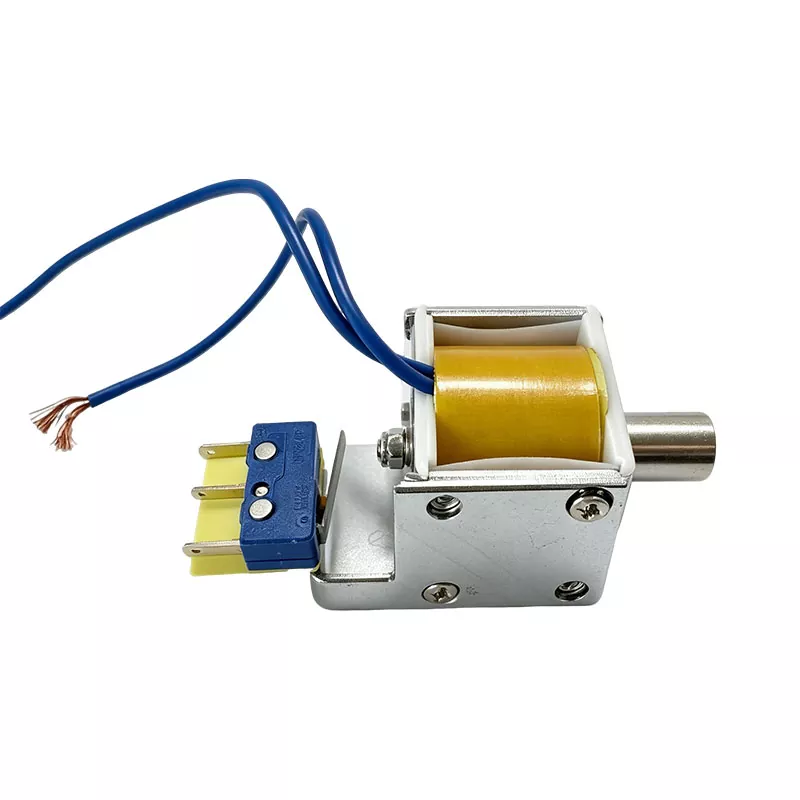
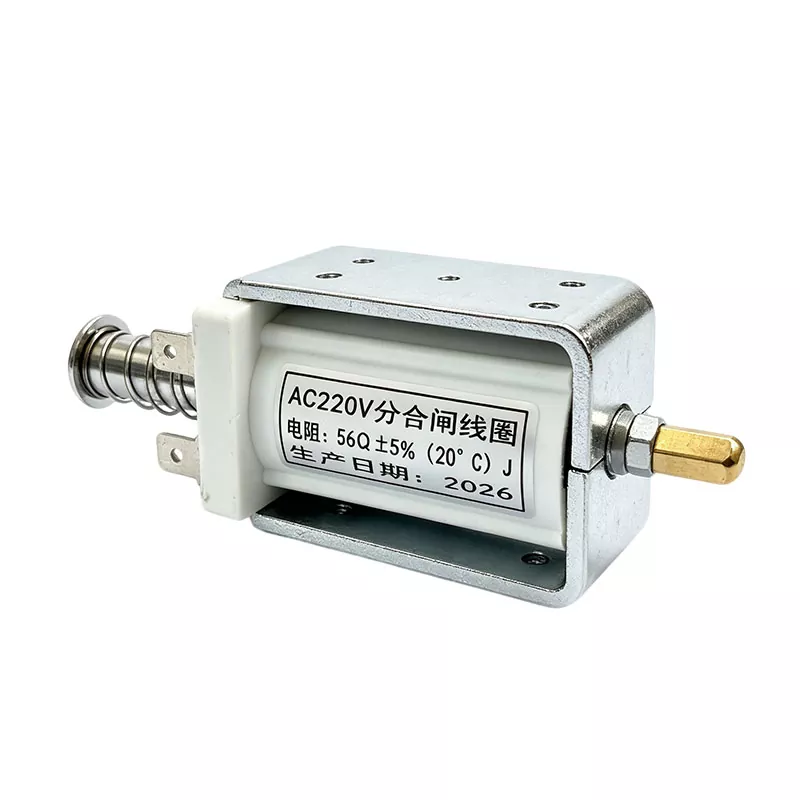
The operating mechanism, auxiliary contacts, trip and closing circuits, control voltage, and electrical interlocks must be compatible with the switchgear and control system. Confirming these interfaces early can reduce installation changes and commissioning complications.
Matching Breaker Configurations to Installation Conditions
Installation type is one of the main factors affecting equipment selection. A design intended for a protected indoor switchgear room may not be appropriate for an exposed outdoor distribution pole or a compact gas-insulated cabinet.
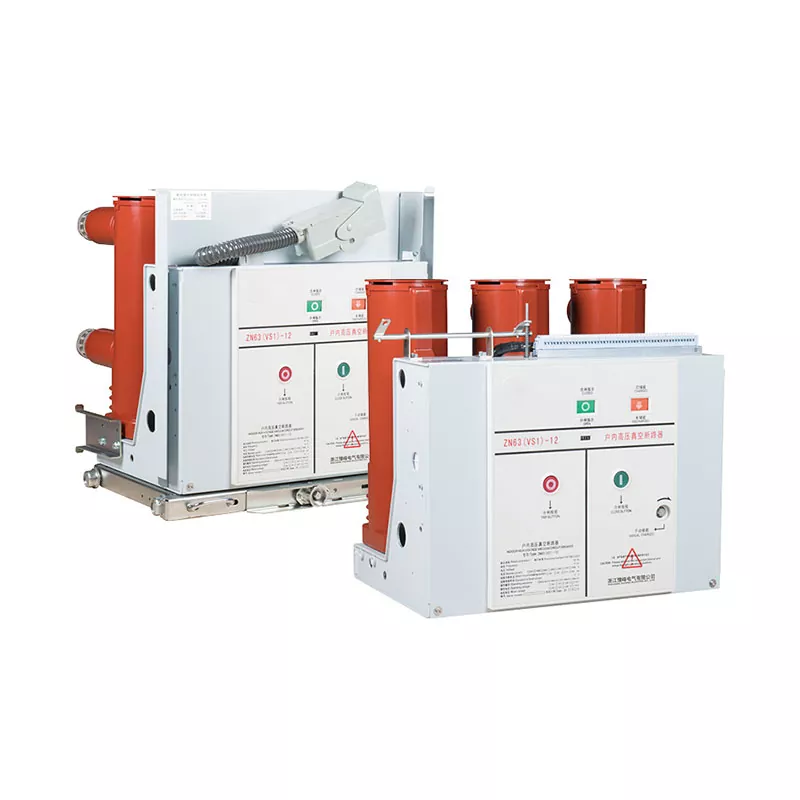
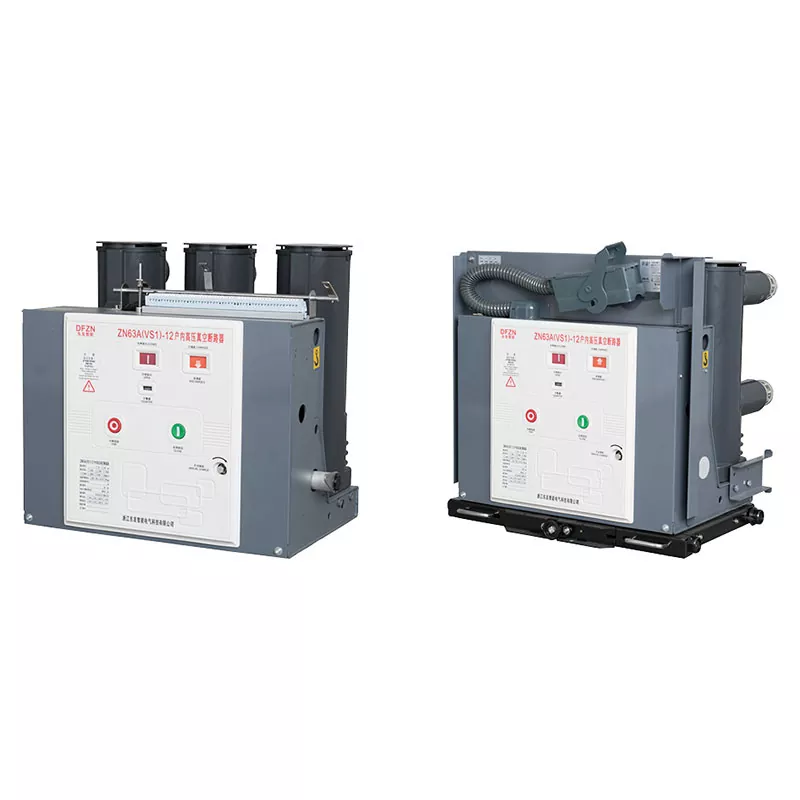
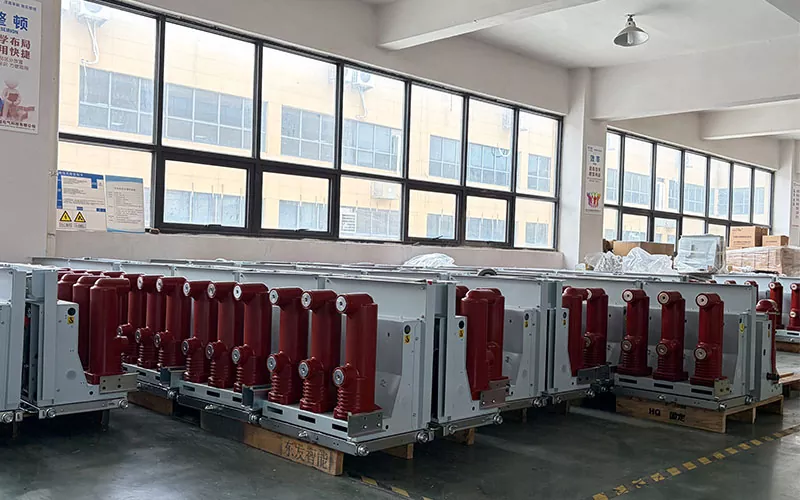
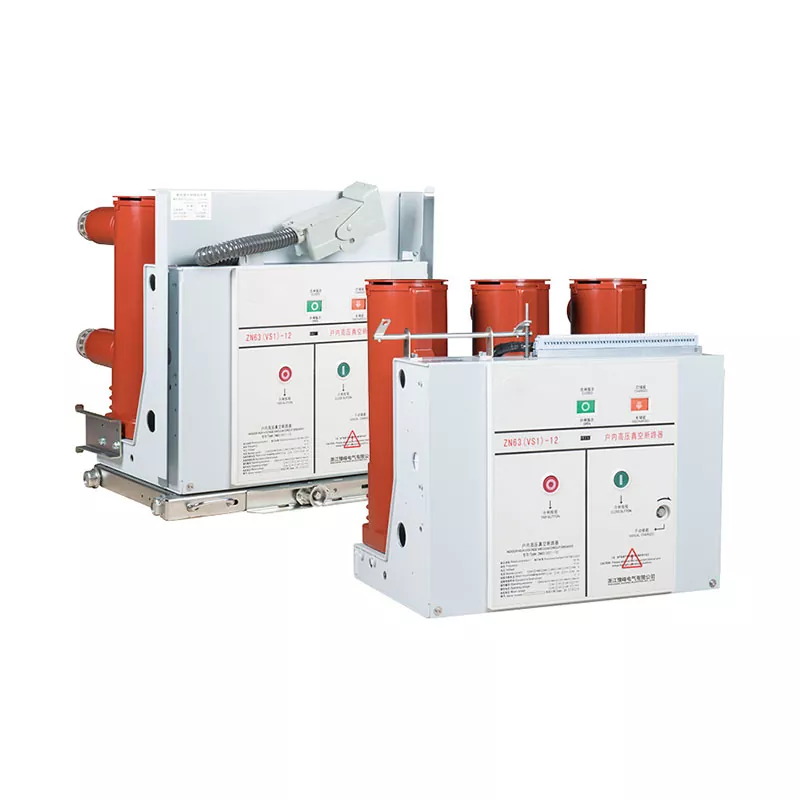
Indoor switching equipment used in medium-voltage power distribution installations.
Indoor Switchgear Applications
Indoor breakers are commonly used in industrial facilities, commercial buildings, and substations. Engineers should check whether the equipment uses a withdrawable handcart or a fixed installation, as well as its compatibility with the cabinet, busbar layout, electrical clearances, and service procedures.
A withdrawable design can simplify inspection and replacement when the switchgear is specifically designed for that arrangement. Safe isolation procedures and the manufacturer's operating instructions remain essential during maintenance.
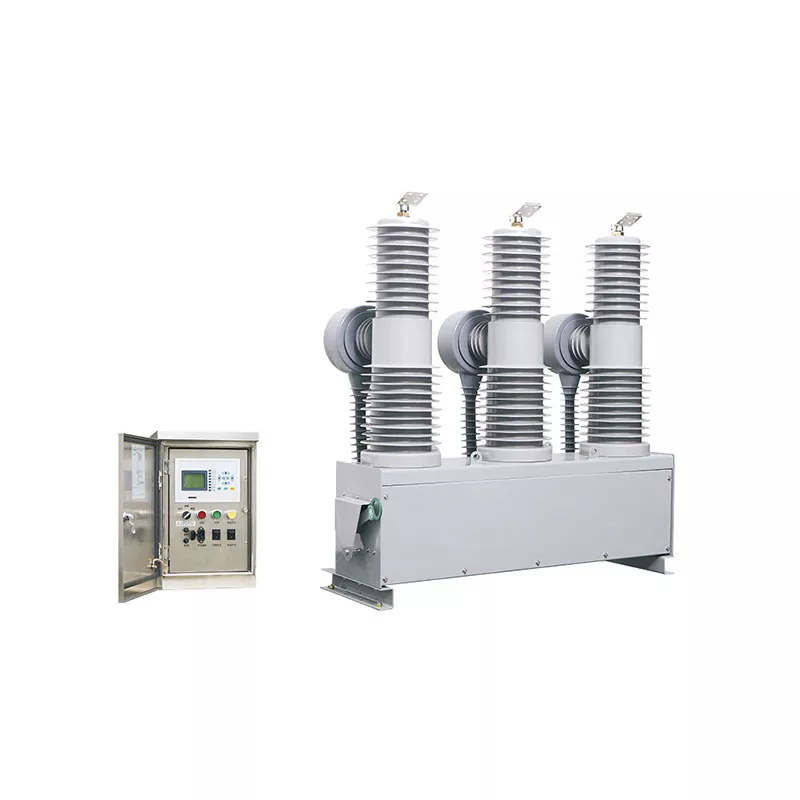
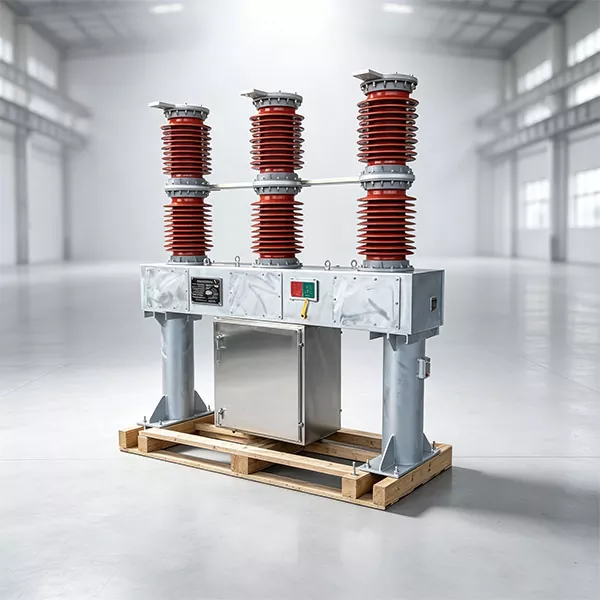
Outdoor Pole-Mounted Distribution
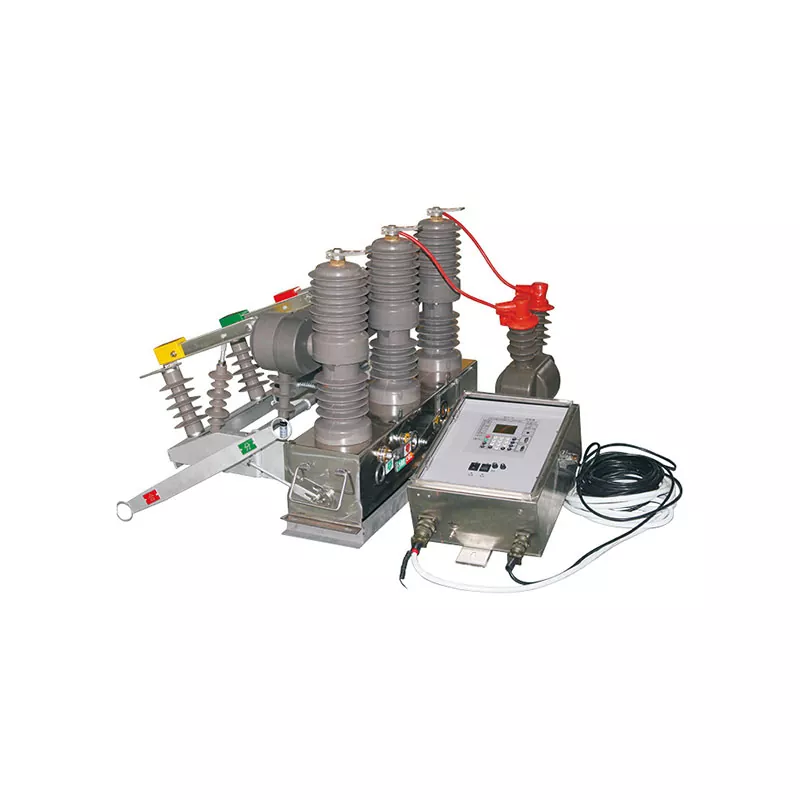
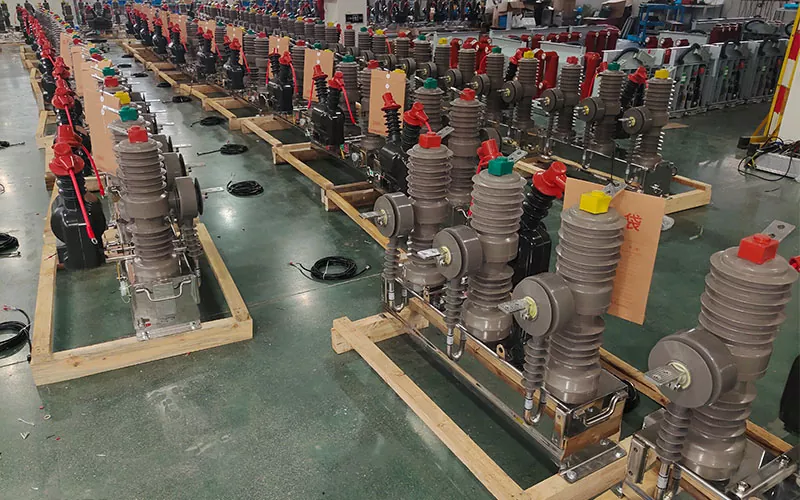
Outdoor installations expose switching equipment to weather and changing site conditions. Selection should consider enclosure protection, insulation performance, temperature range, humidity, condensation, corrosion exposure, and the specified mounting structure.
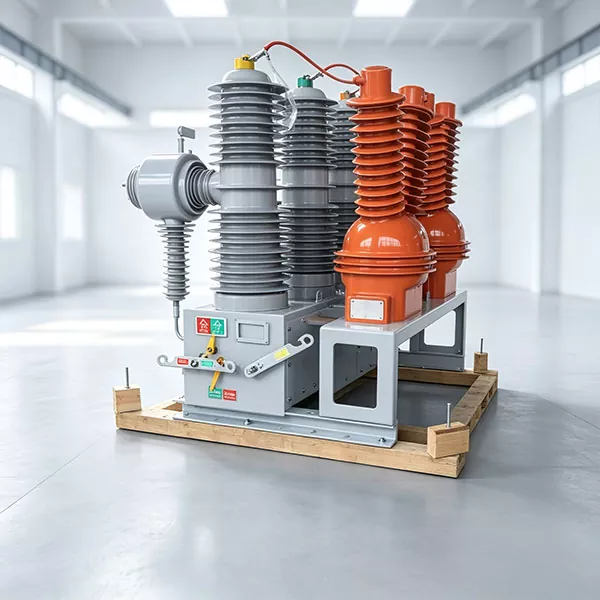
Pole-mounted designs are used in overhead distribution networks where the physical installation differs from an indoor switchgear room. The breaker, control cabinet, connections, and supporting structure must be assessed as a complete installation.
Compact Cabinets and Integrated Switching Functions
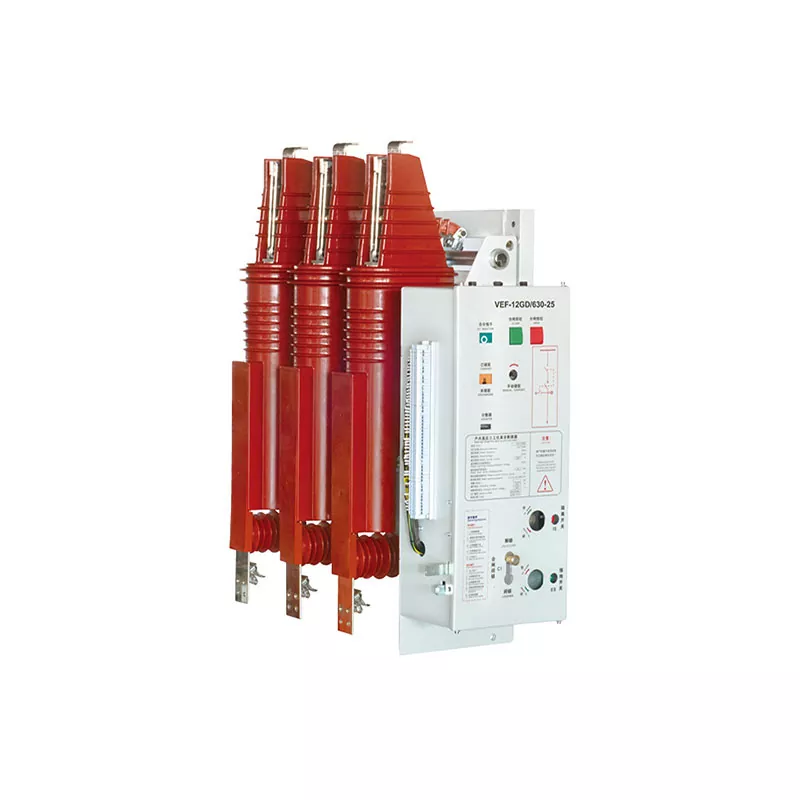
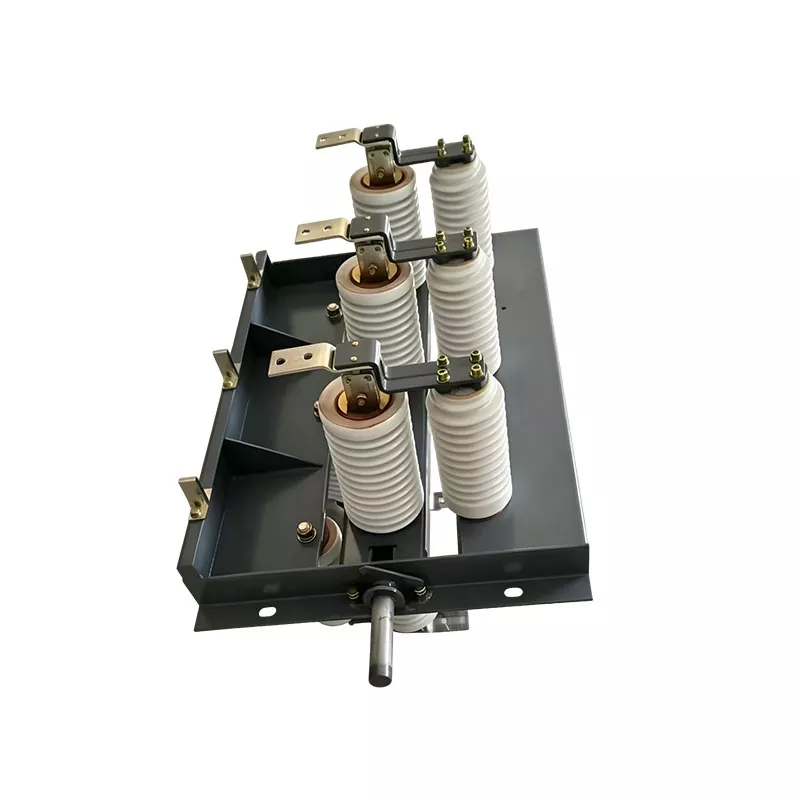
Space-constrained systems may require a solid-insulated three-position configuration. Depending on the product design, the assembly can integrate circuit breaking, disconnection, and earthing functions. Engineers should verify the available positions, mechanical and electrical interlocks, insulation coordination, and maintenance access.
Renewable Energy Installations
Wind and solar facilities have switching requirements determined by their collection networks, transformers, protection schemes, and operating profiles. The frequency of switching operations and the expected fault conditions should be considered alongside voltage and current ratings.
For these projects, the breaker must match the actual system design rather than being selected solely because it is marketed for renewable energy use.
How Does the Operating Mechanism Affect Equipment Selection?
The operating mechanism controls how the breaker opens and closes. Mechanism design influences the number of moving components, operating characteristics, inspection requirements, and suitability for different environments.
Spring Operating Mechanisms
Spring mechanisms are commonly used in conventional switchgear. They store mechanical energy for opening and closing operations and are available in established equipment configurations. Selection should include checks of the operating supply, charging arrangement, trip and closing circuits, and the manufacturer's maintenance schedule.
Permanent Magnet Mechanisms
Permanent magnet mechanisms use magnetic forces to hold and operate the moving assembly. Depending on the design, they can reduce the number of mechanical components associated with conventional spring-latch systems.
These mechanisms may be appropriate for certain applications involving frequent switching or demanding environmental conditions. Actual suitability depends on the complete product specification, control arrangement, installation environment, and required operating duty.
Mechanical endurance ratings should be interpreted according to the applicable test conditions. They do not mean that every installation will require maintenance at precisely the same interval, or that inspection can be omitted.
Comparing Typical Applications and Selection Priorities
The following table summarizes common installation scenarios and the main technical points engineers should verify. The final equipment ratings must be determined from the project specification and the manufacturer's documentation.
| Application | Typical Configuration | Primary Selection Checks |
|---|---|---|
| Indoor substations | Indoor fixed or withdrawable breaker | Voltage class, rated current, breaking capacity, cabinet dimensions, service access |
| Overhead distribution | Outdoor pole-mounted breaker | Environmental protection, insulation level, mounting arrangement, control supply |
| Humid outdoor sites | Suitable outdoor configuration, potentially with a permanent magnet mechanism | Condensation control, corrosion exposure, operating duty, enclosure and mechanism design |
| Compact switchgear | Compatible solid-insulated or integrated design | Cabinet space, isolation and earthing functions, interlocks, insulation coordination |
| Wind and solar networks | Breaker specified for the relevant collection or distribution system | Switching frequency, fault level, voltage class, control interface, system protection |
This comparison is a starting point rather than a substitute for engineering calculations. Two projects with the same nominal voltage may have different fault levels, operating duties, insulation requirements, and installation constraints.
A Practical Process for Selecting Suitable Switching Equipment
A structured review makes it easier for engineers, system integrators, and equipment purchasers to communicate technical requirements before confirming a product model.
- Define the system conditions. Record the nominal system voltage, frequency, grounding arrangement, expected load, and installation location.
- Confirm the fault study. Establish the prospective short-circuit current and verify the required breaking, making, and withstand ratings.
- Specify the physical arrangement. Confirm fixed or withdrawable installation, mounting dimensions, phase spacing, cable or busbar connections, and cabinet compatibility.
- Review the operating duty. Identify expected switching frequency, trip and closing requirements, control voltage, auxiliary contacts, and interlocking functions.
- Assess the environment. Document ambient temperature, humidity, condensation, altitude, pollution, and other conditions relevant to insulation and enclosure selection.
- Verify standards and documentation. Check the applicable GB or IEC 62271 requirements, type-test documentation, drawings, wiring diagrams, and product-specific technical data.
- Complete the engineering review. Confirm that the selected configuration satisfies the project specification and can be integrated into the protection and control scheme.
Providing these details at the inquiry stage helps the technical team assess the intended application more accurately. If any requirement is not yet established, it should be identified for engineering confirmation instead of being replaced with an assumed value.
Inspection and Maintenance Considerations
Correct selection is only one part of dependable operation. Inspection and maintenance practices should follow the equipment manual, applicable electrical safety rules, and the operating conditions of the installation.
- Inspect the enclosure, insulation components, connections, and mounting structure for damage or deterioration.
- Check the operating mechanism and its control circuits according to the manufacturer's procedures.
- Verify trip, closing, indication, and interlocking functions during authorized maintenance activities.
- Review operation records and investigate unusual switching behavior or protection events.
- Confirm that any required servicing is completed by qualified personnel using approved isolation procedures.
Environmental conditions and operating duty can influence inspection needs. Outdoor equipment exposed to humidity or contamination may require different checks from breakers installed in controlled indoor switchgear rooms. Maintenance intervals should therefore be based on the product instructions, applicable regulations, and actual service conditions.
For equipment selection and technical verification, Zhejiang Dongfa Intelligent Electrical Technology Co., Ltd. provides product information covering different medium-voltage switching configurations. Confirm the applicable ratings, drawings, and installation requirements with the technical team before finalizing a specification.
Frequently Asked Questions
1. How do engineers determine the correct voltage class?
Start with the system's nominal voltage and applicable equipment voltage requirements. Then verify insulation levels, power-frequency withstand voltage, lightning impulse withstand voltage, and any site-specific conditions. The equipment must meet the complete project specification, not just the nominal voltage label.
2. Is rated current the same as short-circuit breaking capacity?
No. Rated current describes the current the breaker is designed to carry under specified conditions. Short-circuit breaking capacity describes its ability to interrupt a specified fault current. Both ratings must be checked independently, together with the relevant making and withstand requirements.
3. When should an outdoor pole-mounted configuration be considered?
It is typically considered for overhead distribution networks where the equipment is installed on a pole rather than inside a switchgear room. Engineers should verify environmental suitability, insulation performance, mounting arrangements, control equipment, and the expected electrical duty.
4. What is the difference between fixed and withdrawable installation?
A fixed breaker remains installed in its designated position. A compatible withdrawable breaker can be moved to a designated disconnected or test position and removed according to the switchgear design and safety procedures. The appropriate option depends on cabinet compatibility, service requirements, and the specified operating arrangement.
5. Are permanent magnet mechanisms suitable for every application?
No. A permanent magnet mechanism may offer advantages for certain operating duties, but the complete configuration must still satisfy the system's voltage, current, fault-interruption, control, environmental, and mechanical requirements. Product-specific documentation should be reviewed before selection.
6. What information should be provided when requesting technical selection support?
Provide the nominal system voltage, rated current, required short-circuit breaking current, installation type, operating mechanism preference if known, control voltage, mounting dimensions, operating environment, and applicable standards. Drawings and switchgear interface requirements can also help the technical team review compatibility.
Need Help Confirming Your Switching Requirements?
Share your system voltage, rated current, short-circuit level, installation arrangement, and operating conditions to help identify a suitable configuration for your application.
Final equipment selection should be verified against the project specification and applicable electrical standards.