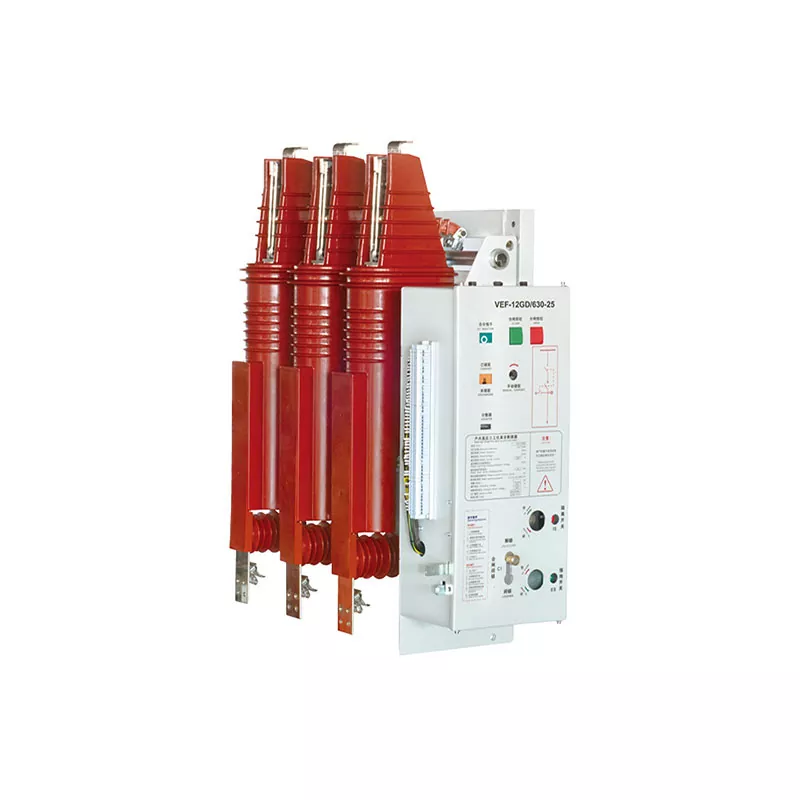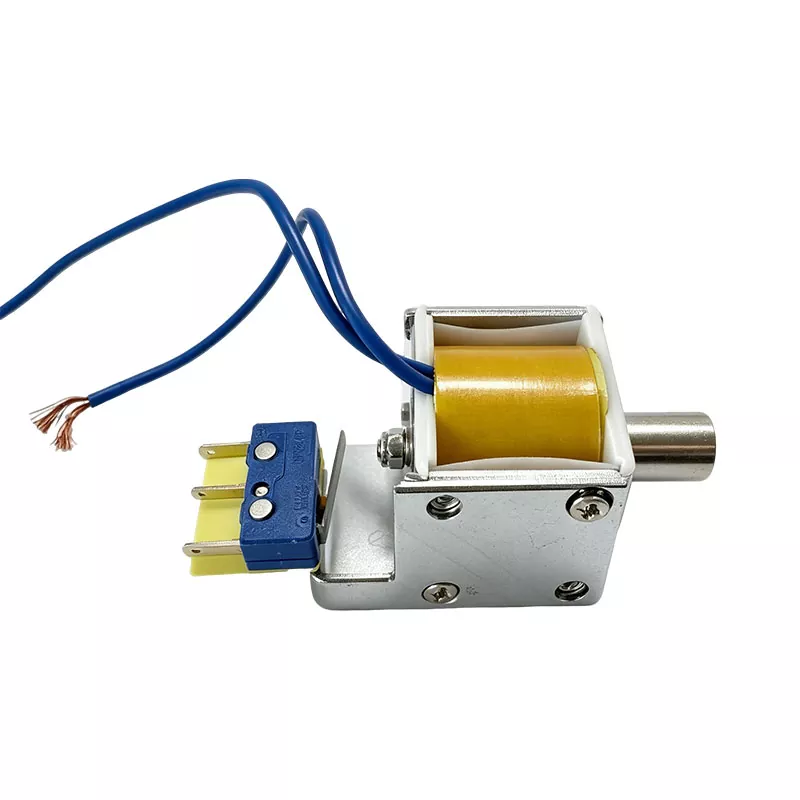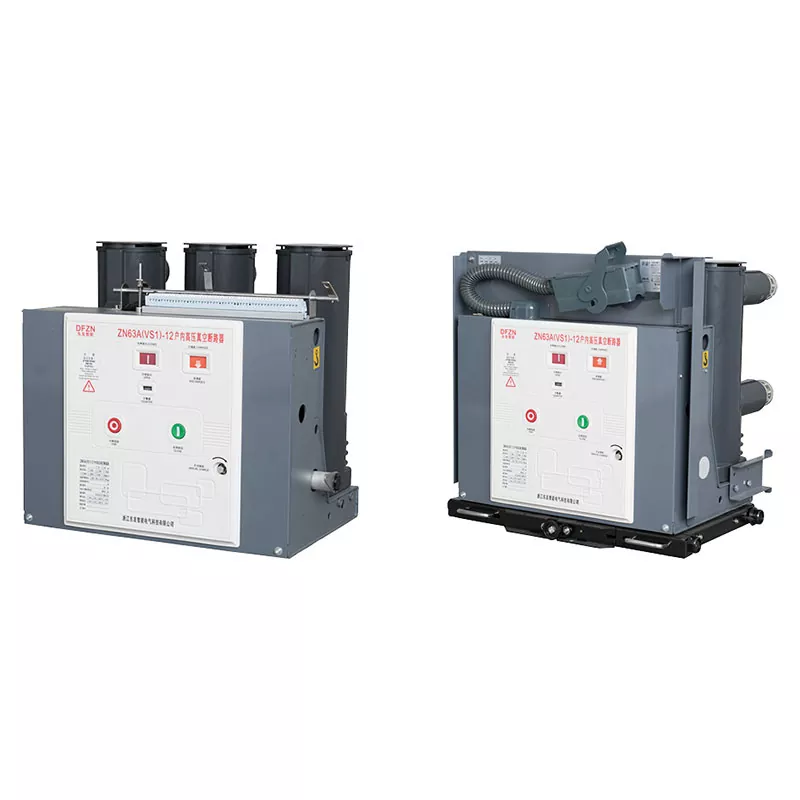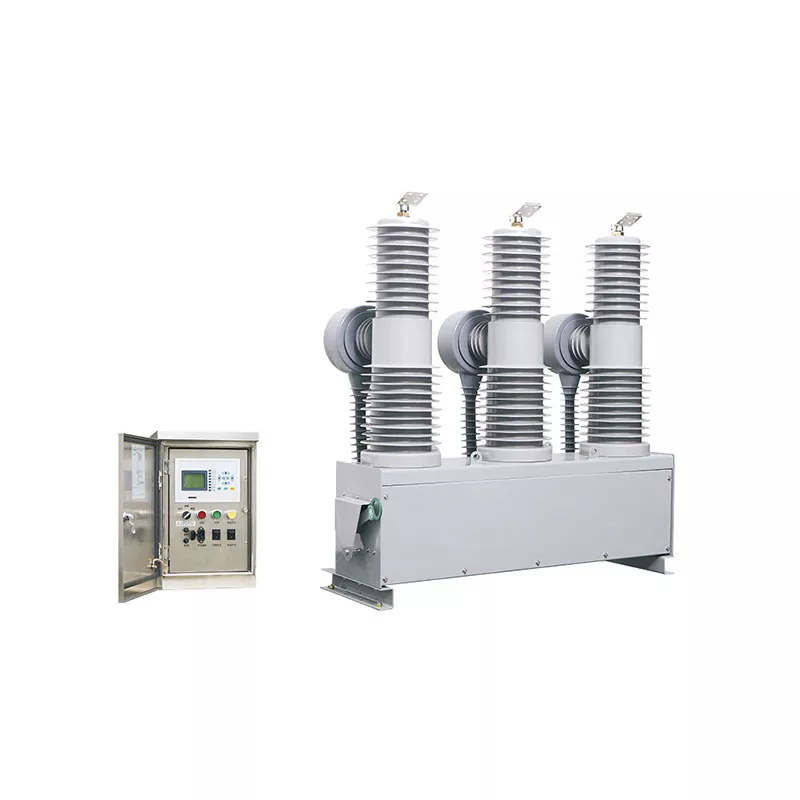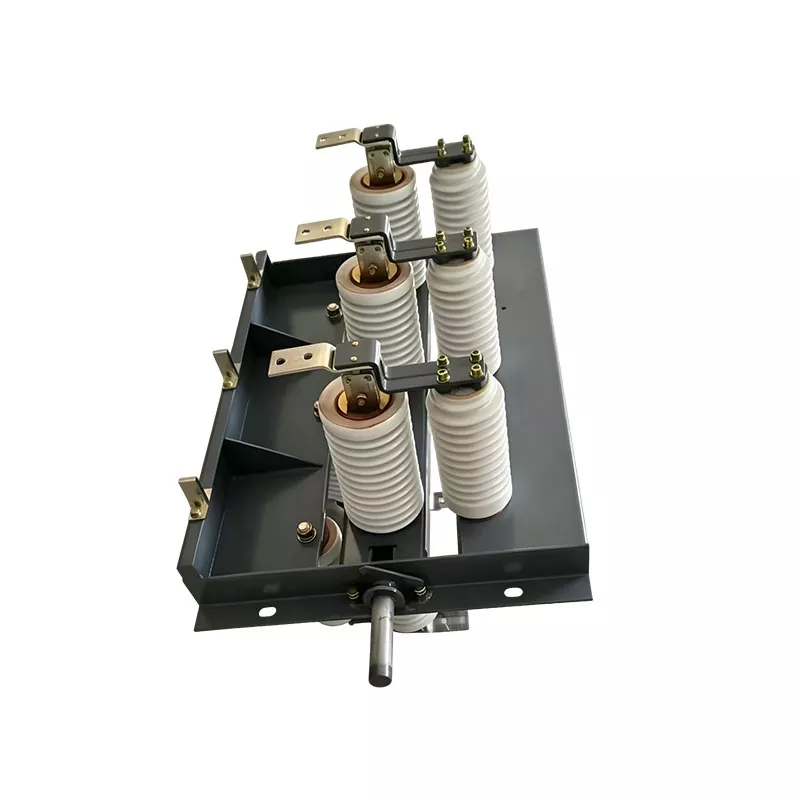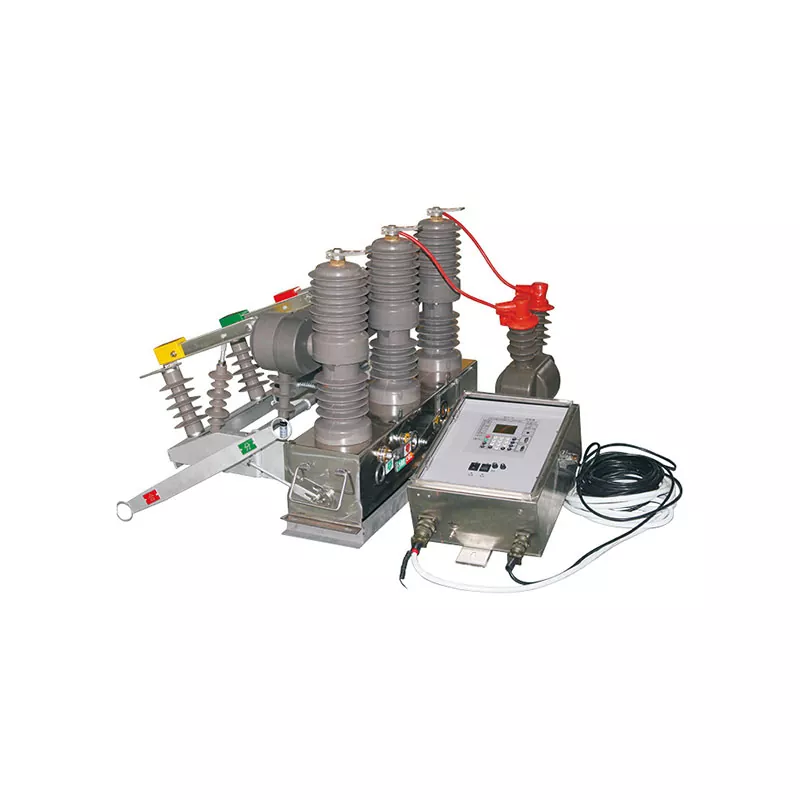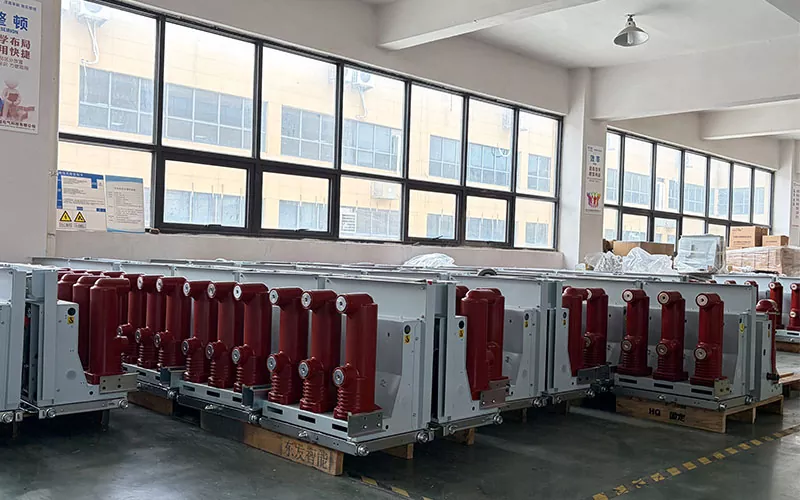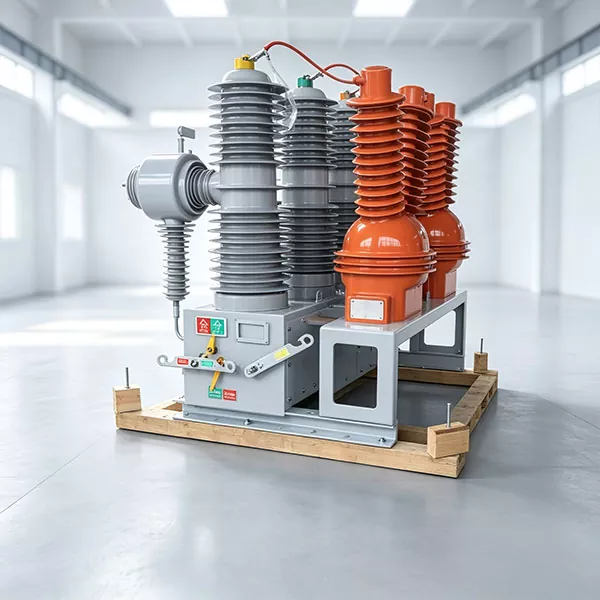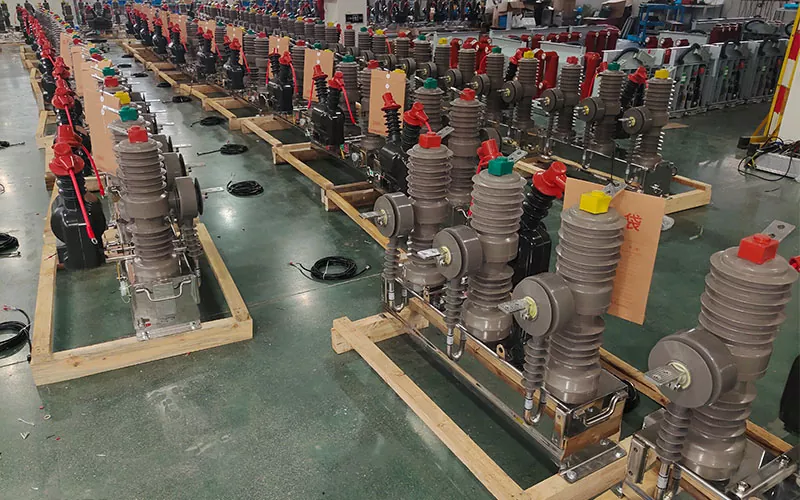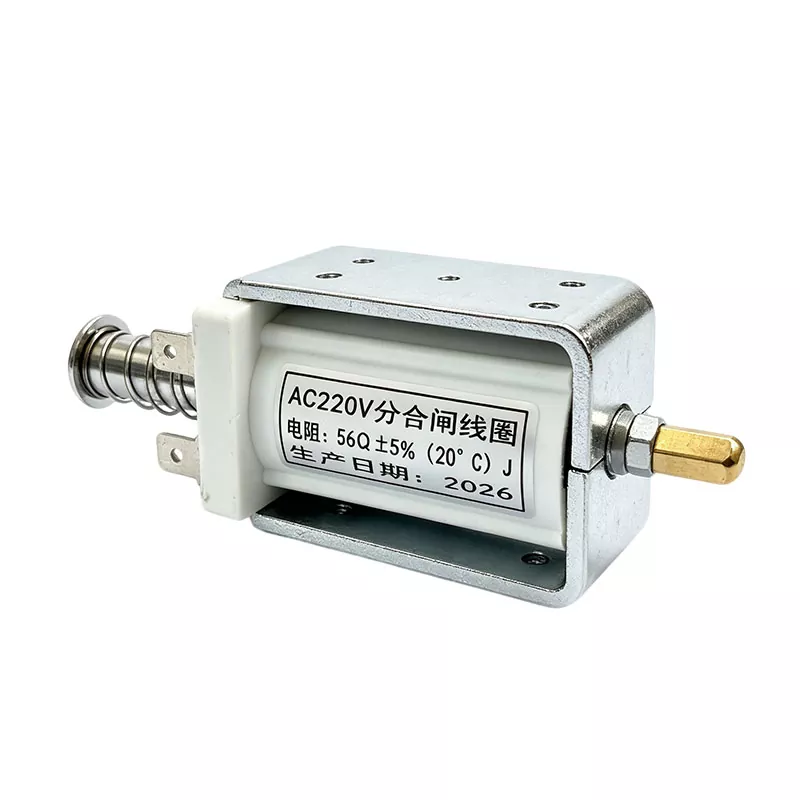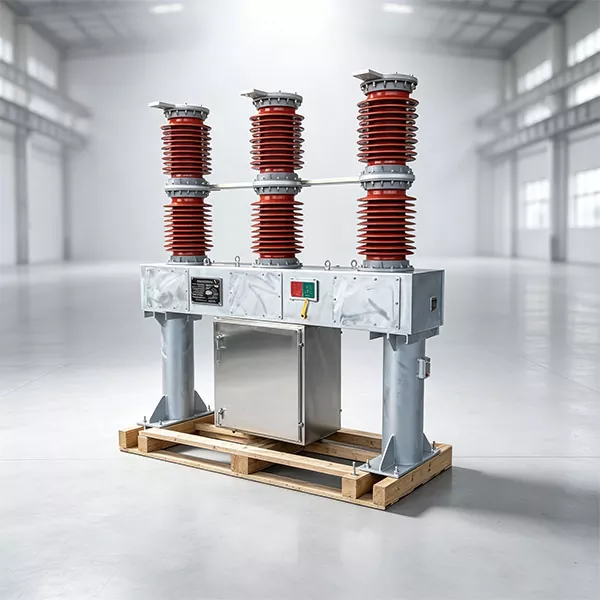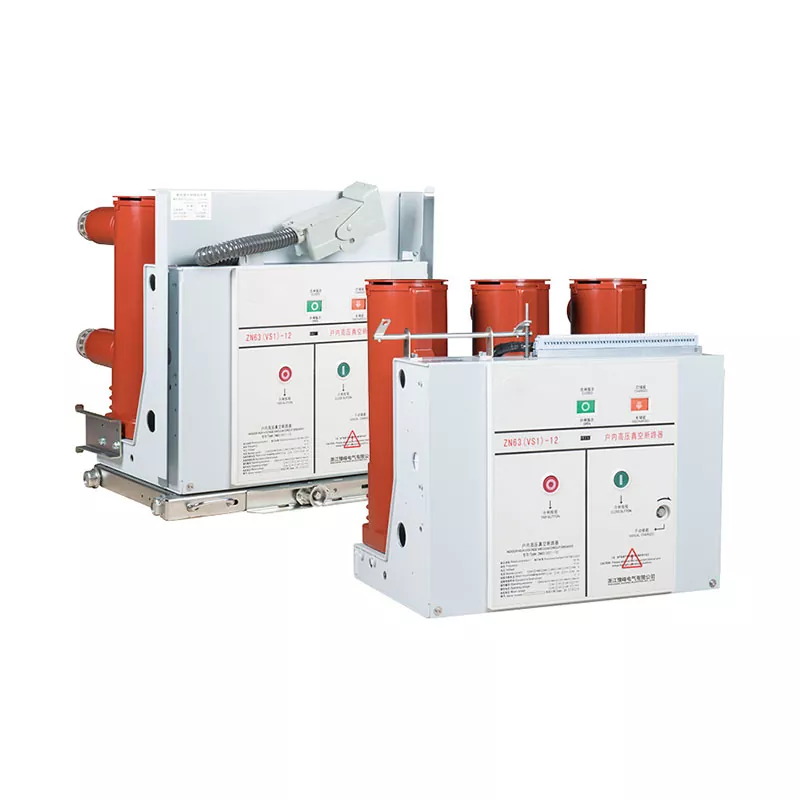

A vacuum circuit breaker (VCB) is designed to switch electrical circuits and interrupt fault current within its rated capability. It is widely used in medium-voltage power distribution, industrial facilities and switchgear assemblies where reliable circuit protection is essential.
How Vacuum Interruption Works
When a circuit breaker opens, its contacts separate inside the vacuum interrupter. An electrical arc can form briefly between the contacts. Because the contacts operate in a high-vacuum environment, the arc can be extinguished at the natural current zero of an alternating-current cycle, allowing the contact gap to recover its insulating strength.
Four stages of circuit interruption
Why Vacuum Technology Is Used
Vacuum interruption does not require oil or SF₆ gas as the arc-quenching medium. The sealed interrupter also helps protect its internal contact system from external contamination. These characteristics make vacuum technology suitable for many medium-voltage switching applications, although actual performance depends on the complete equipment design and operating conditions.
| Selection factor | Engineering consideration |
|---|---|
| Rated voltage | Must correspond to the system voltage and insulation coordination requirements. |
| Rated normal current | Should meet the expected continuous load current under specified operating conditions. |
| Short-circuit breaking capacity | Must be sufficient for the prospective fault current at the installation point. |
| Mechanical and electrical endurance | Should match the expected switching frequency and service duty. |
| Switchgear compatibility | Mounting dimensions, primary contacts, control wiring and interlocks must be checked. |
Matching the Breaker to the Application
Choosing a VCB based on voltage alone can overlook important system requirements. Engineers should review fault levels, continuous current, operating sequence, installation environment and the protection relay settings. For replacement projects, the existing switchgear interface is equally important because breakers with similar electrical ratings may have different mechanical dimensions or connection arrangements.
Specifications should therefore be checked against the equipment nameplate, technical drawings and manufacturer's instructions before procurement or installation. Commissioning tests should confirm that the breaker and its associated protection and control circuits function as intended.
For information about Dongfa Intelligent's electrical equipment, visit the product overview or contact the team through the contact page to discuss your application requirements.