
Maintaining Vacuum Circuit Breakers for Dependable Operation
Inspection, functional testing and service records help maintenance teams assess breaker condition and identify problems before they affect power distribution.
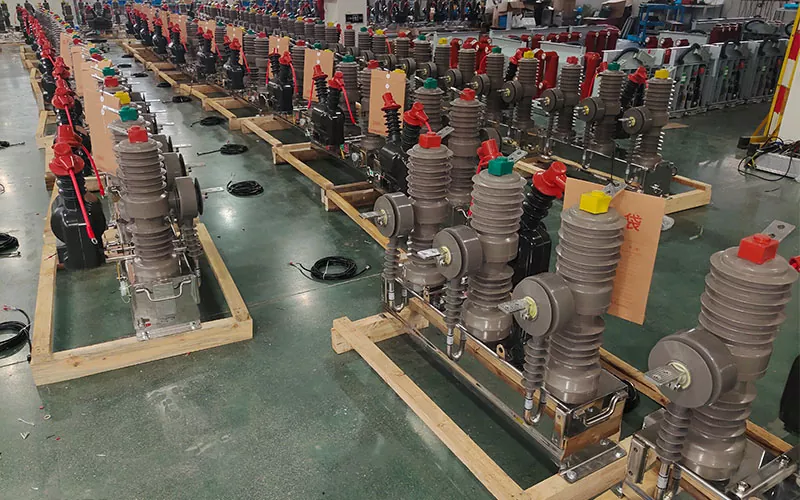
Five Inspection Areas That Deserve Attention
Operating mechanism
Check for abnormal movement, unusual noise, loose hardware, visible wear and other signs of mechanical deterioration. Opening and closing performance should be evaluated using the manufacturer's specified procedure.
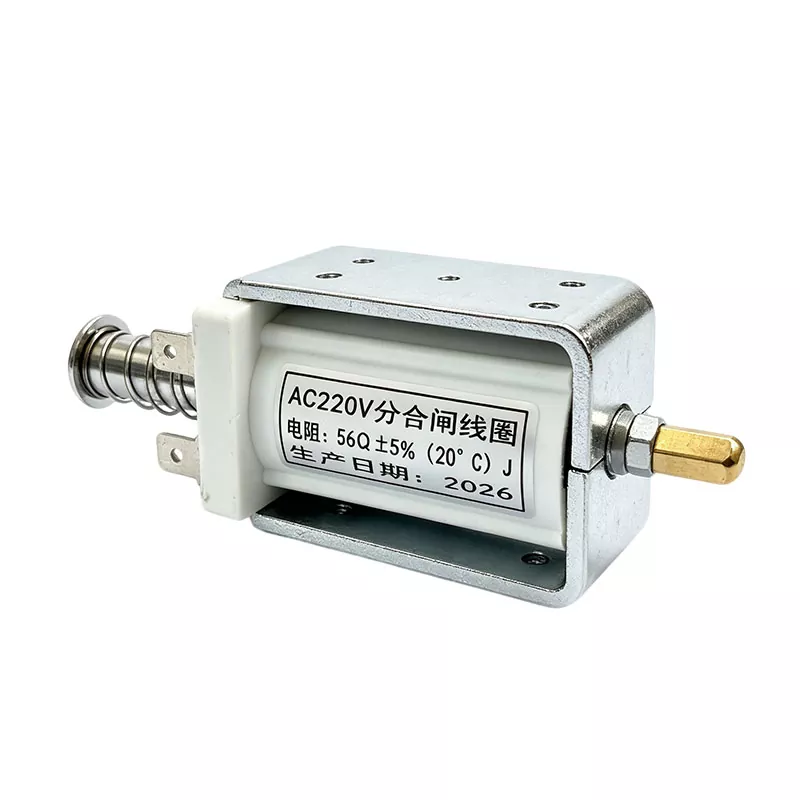
Trip and closing circuits
Inspect control wiring, auxiliary contacts, trip coils, closing coils and the control power supply. Functional testing can help identify control-circuit faults that may prevent the breaker from responding correctly.
Vacuum interrupter integrity
The condition of a sealed interrupter cannot be confirmed through visual inspection alone. Where required, qualified personnel should conduct the approved vacuum-integrity or dielectric test in accordance with the equipment manufacturer's instructions.
Insulation and electrical connections
Look for cracks, contamination, tracking marks, discoloration or evidence of overheating. Contact-resistance and insulation tests may be appropriate depending on the equipment design, test requirements and service history.
Interlocks and service history
Verify the specified mechanical and electrical interlocks. Record operating counts, fault interruptions, test results, repairs and component replacements to help identify recurring problems and changes in equipment condition.
When Should Additional Checks Be Considered?
Maintenance frequency should reflect the manufacturer's recommendations, operating conditions and applicable electrical safety requirements. Switching frequency, environmental contamination, humidity, fault history and the importance of the connected process may all influence the maintenance plan.
| Situation | Maintenance response |
|---|---|
| Scheduled inspection | Review the visual condition, mechanism, control circuits and previous inspection records. |
| Unusual operating behavior | Investigate abnormal noise, movement or switching response before returning the equipment to service. |
| Major fault interruption | Follow the manufacturer's post-fault inspection and testing requirements. |
| Repeated trip or closing failure | Check the control supply, coils, auxiliary contacts, interlocks and mechanism through an approved diagnostic procedure. |
Medium-voltage equipment must be inspected and tested by qualified personnel following approved isolation, lockout/tagout, absence-of-voltage verification and grounding procedures. Follow the equipment manual and site safety rules throughout the work.
Maintenance Records Support Better Decisions
Consistent records allow engineers to compare test results over time, identify recurring defects and plan spare-parts requirements. They also provide a basis for deciding whether aging equipment should remain in service, undergo refurbishment or be replaced.
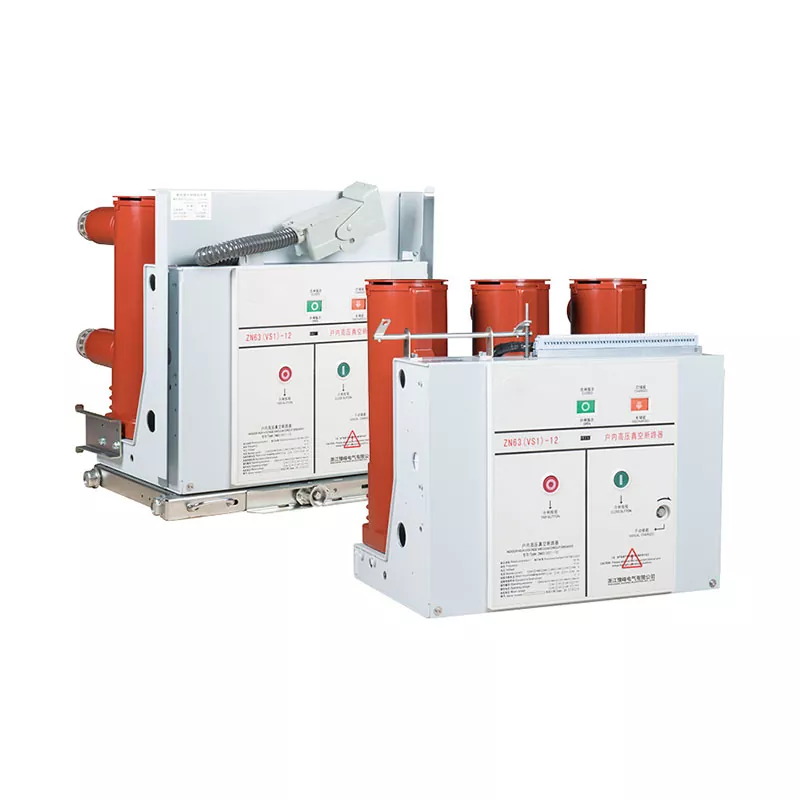
When replacing an existing breaker, verify more than the rated voltage and current. Short-circuit ratings, mounting dimensions, primary disconnects, control wiring and interlocking arrangements should all be checked against the existing switchgear.
Reliability Depends on the Complete Protection System
Regular condition checks, correct testing and documented maintenance help keep vacuum circuit breakers ready for operation. To learn more about Dongfa Intelligent's electrical equipment, visit the product overview or contact the team through the contact page.