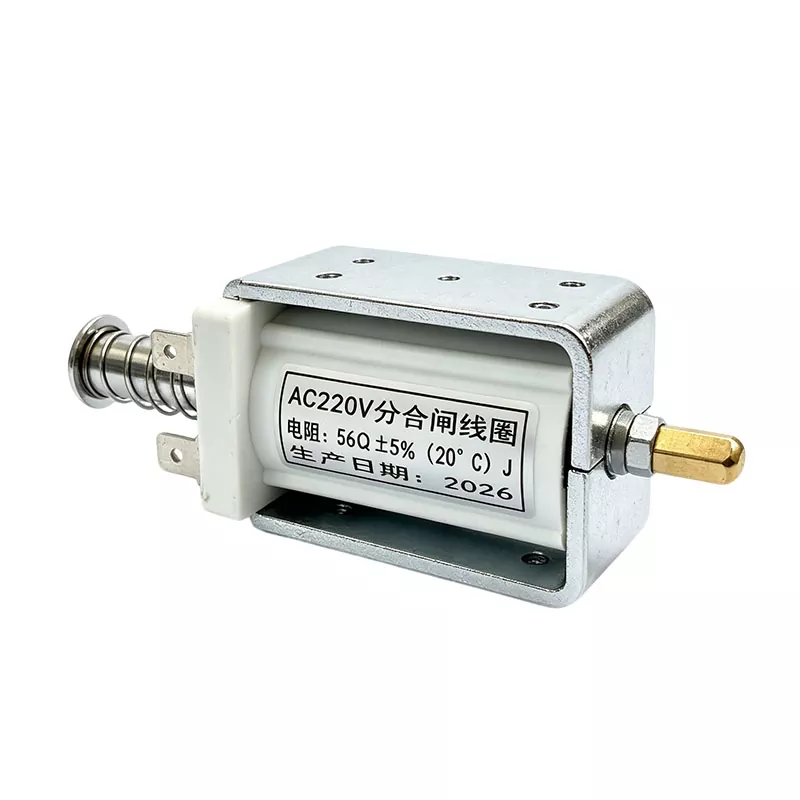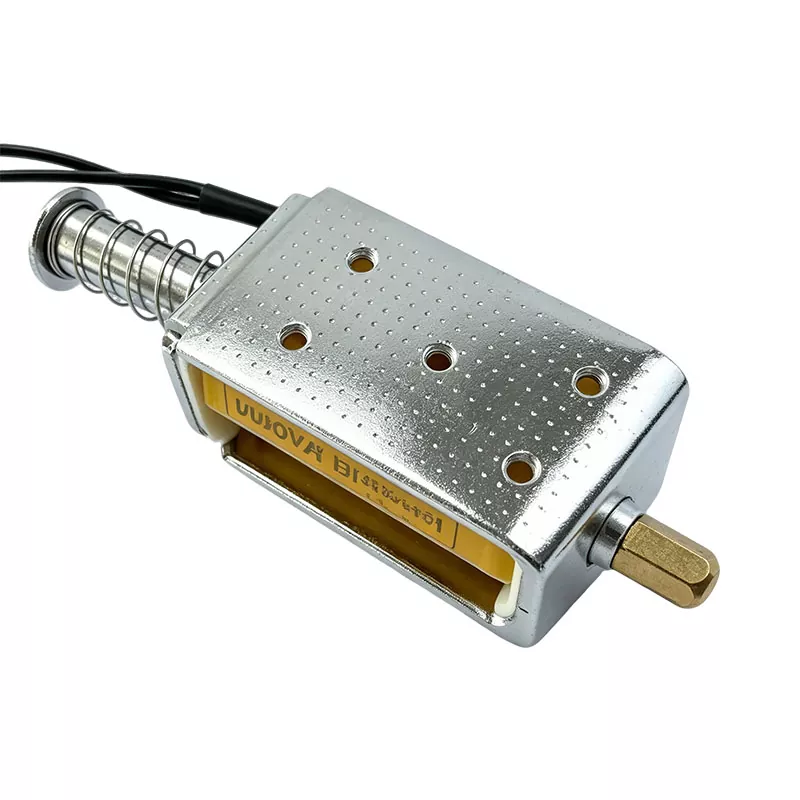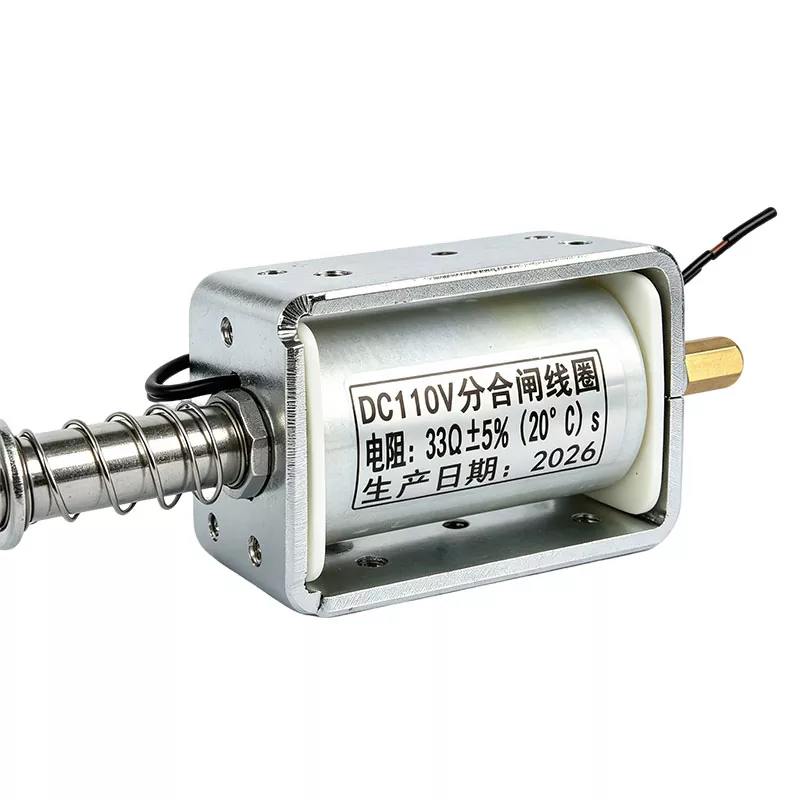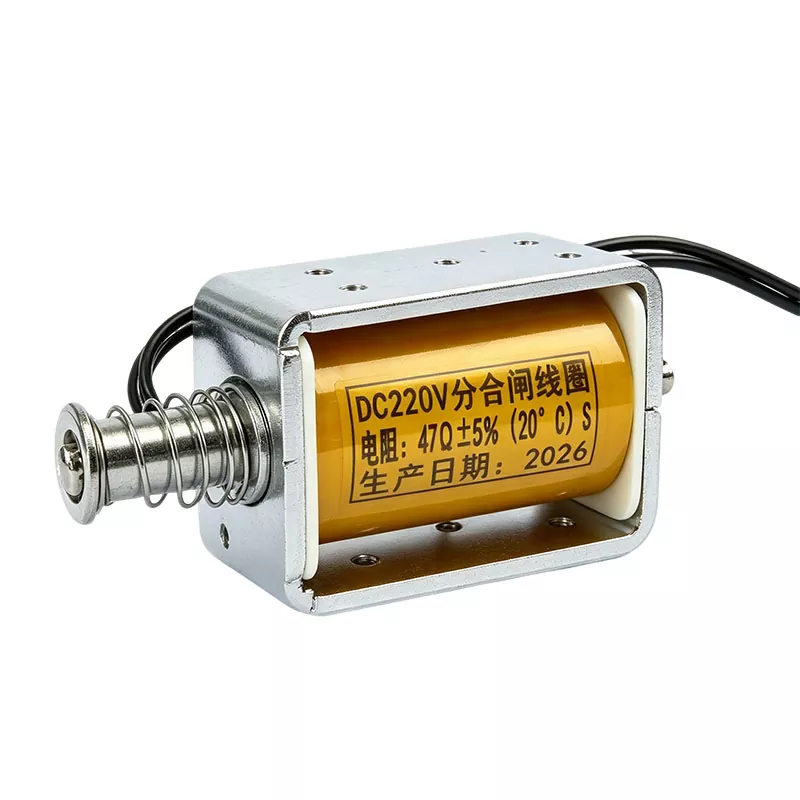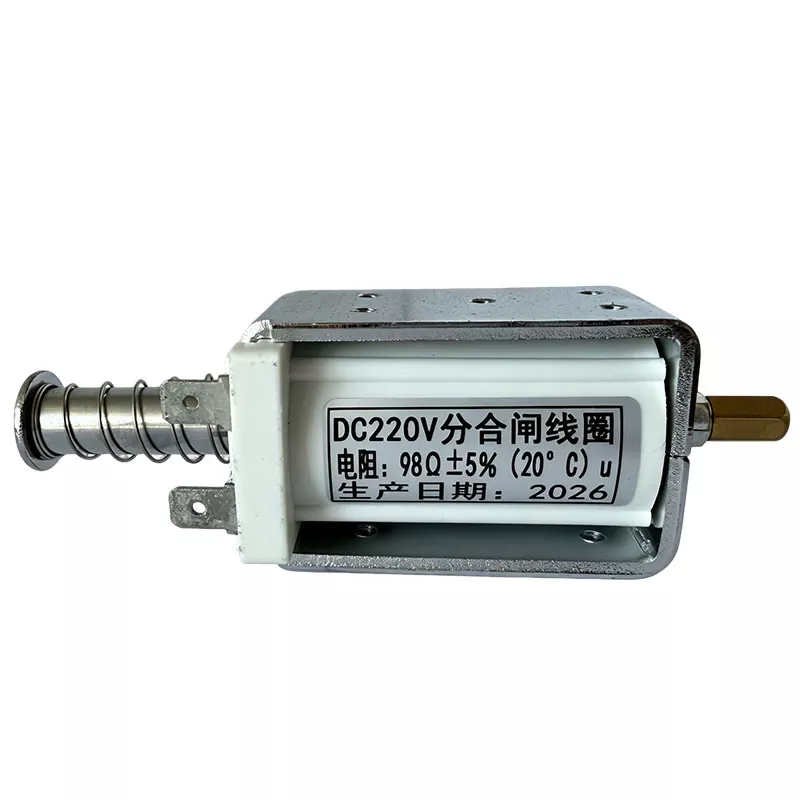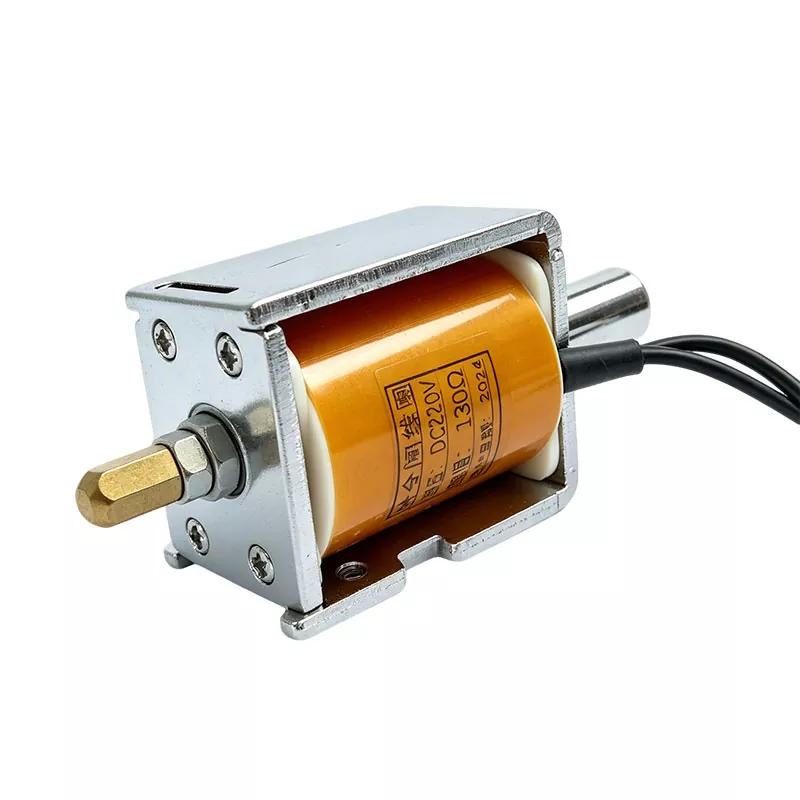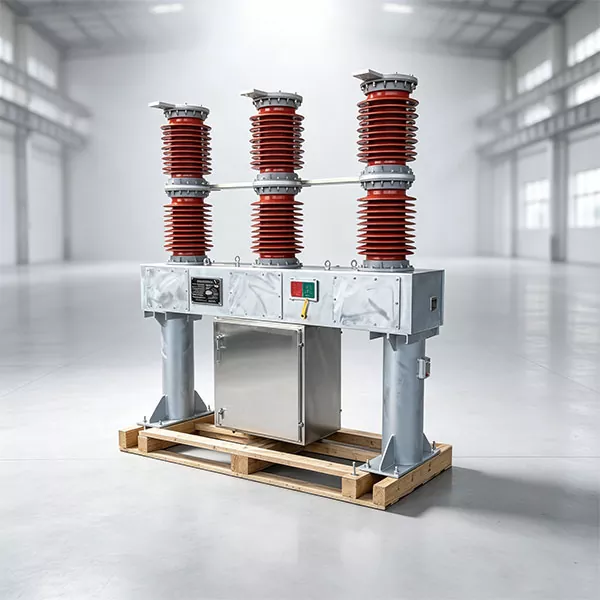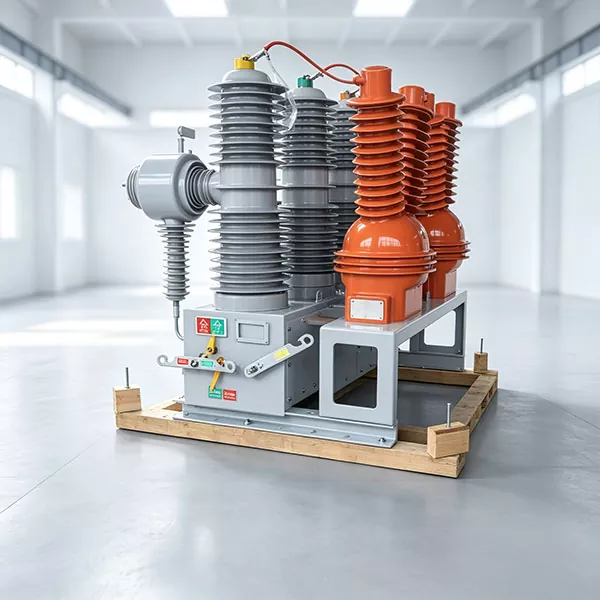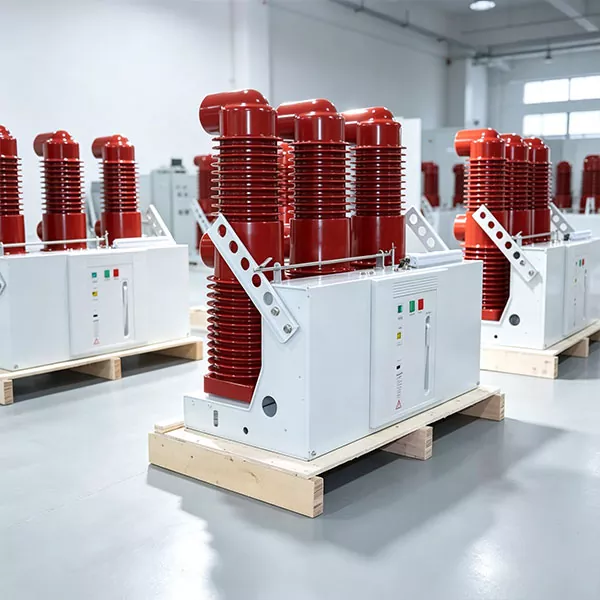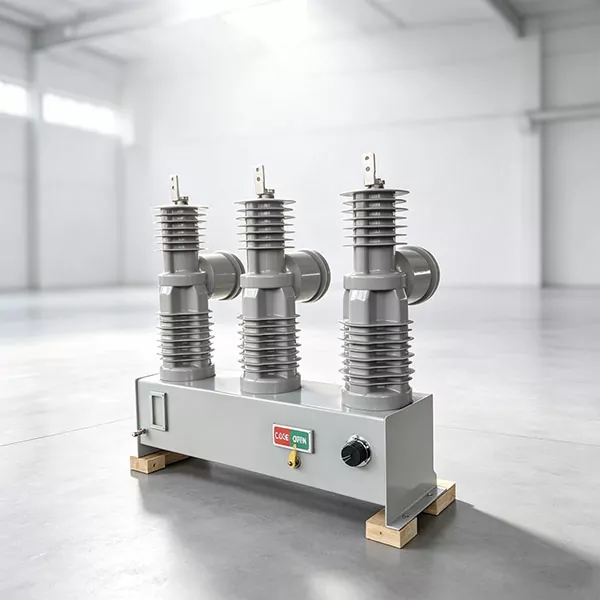
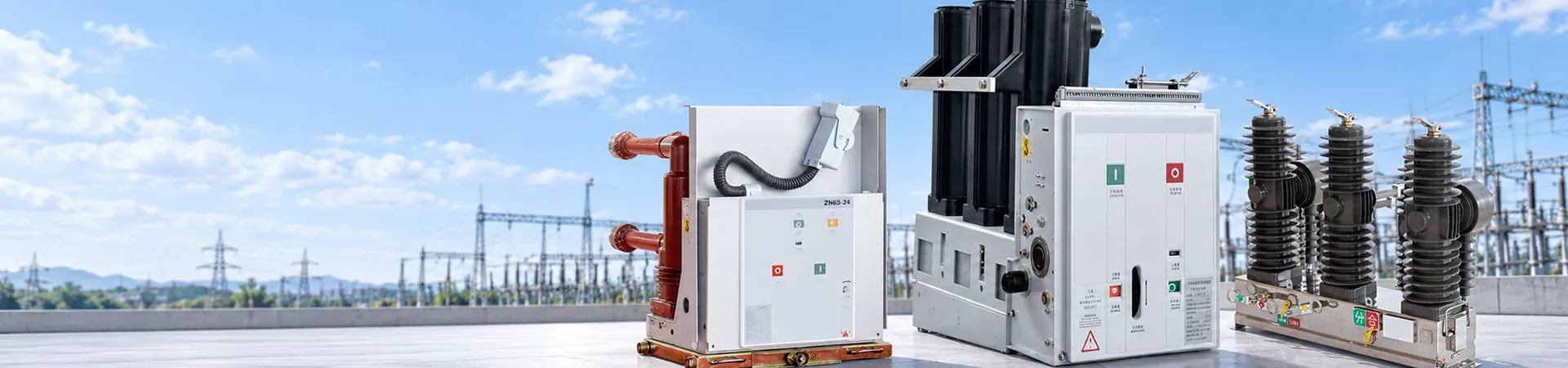
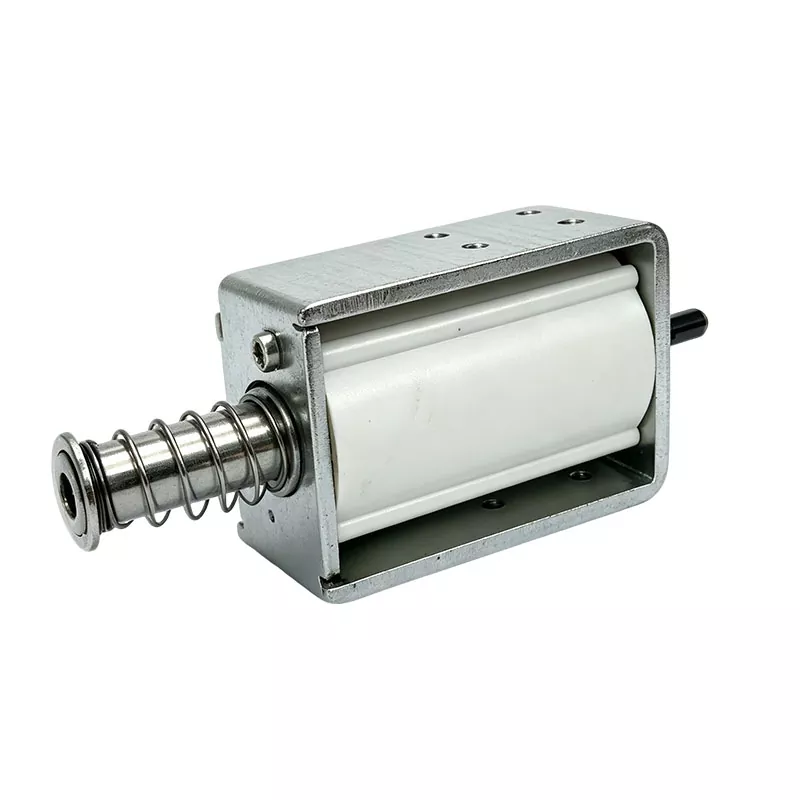
As a manufacturer in China of high voltage switchgear accessories, Dongfa Intelligent builds the DC 220V Closing and Tripping Coil for the operating mechanisms of high voltage vacuum circuit breakers used in power systems, power plants, substations, and switchgear assembly lines. In these mechanisms, the coil converts an electrical closing or opening command into a short, strong mechanical push that releases the closing latch or trips the mechanism. The design priorities of this coil are mechanical stability under repeated electromagnetic impact, consistent electrical behavior across units, and easy assembly and replacement inside compact cabinets — which is why it uses a double-ended shaft, a ±5% resistance tolerance, an 8-hole mounting layout, and plug-in terminals.
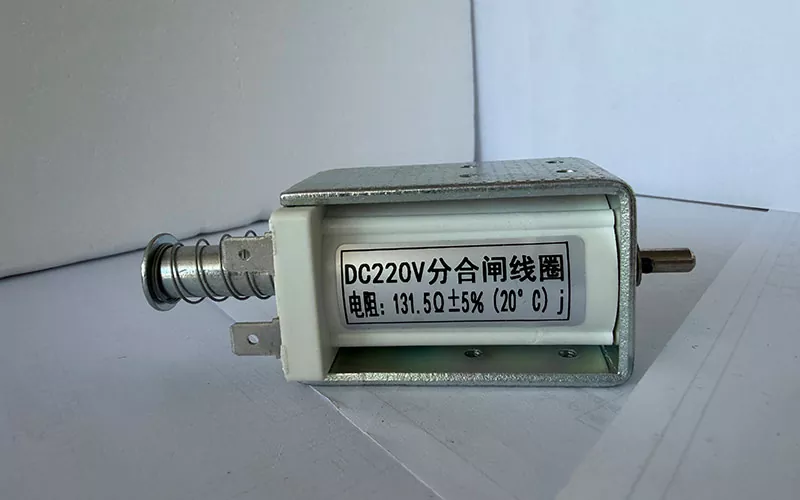
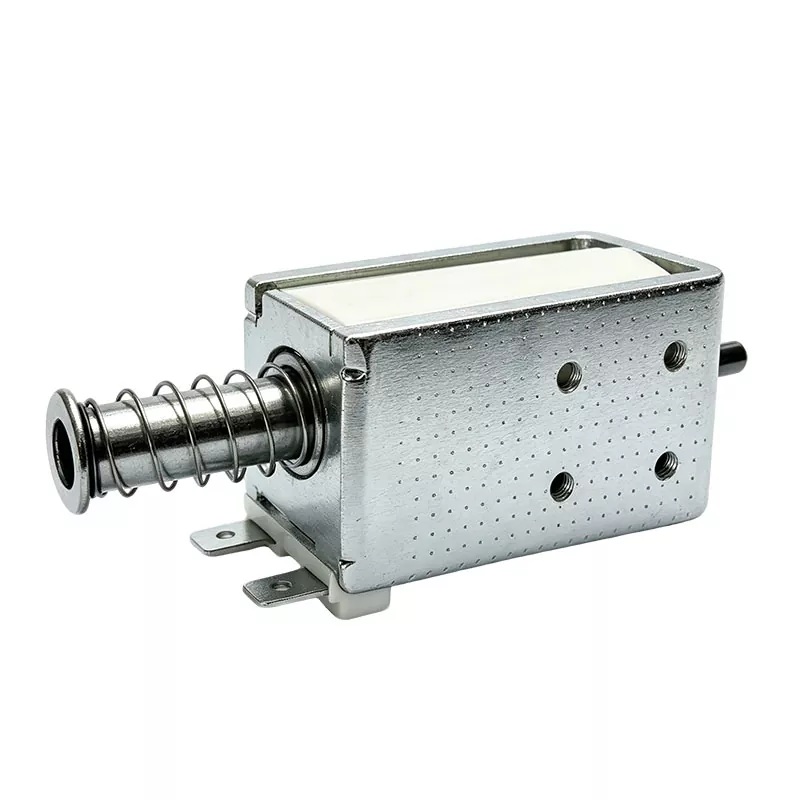
In a conventional single-end push rod, long-term electromagnetic impact tends to produce micro-deformation because the force acts on one side, and that eccentric load gradually tilts the rod and causes uneven wear — one of the common causes of mechanism jamming. In the DC 220V Closing and Tripping Coil, the push rod is loaded bidirectionally along the axis (or outputs from both ends) under electromagnetic force. This symmetrical structure mechanically balances the load, reducing the risk of unilateral wear and push rod tilting, so opening and closing actions stay smooth over a longer service cycle and the service life of the operating mechanism is extended.
A closing/opening coil is a short-time duty component, not a continuously energized one. When a closing or opening command is received, DC220V is applied to the 131.5Ω winding of the DC 220V Closing and Tripping Coil, producing a steady-state current of approximately 1.67A and an instantaneous power of approximately 368W. That 368W is not delivered continuously — it is concentrated in an action window of tens to hundreds of milliseconds, which is enough to generate the electromagnetic force needed to drive the push rod against the trip mechanism or closing latch. The control system cuts power immediately after the action completes.
Never energize the coil long-term. Continuous power converts the approximately 368W instantaneous power into heat and burns out the winding in a short time. Resistance accuracy ±5% (referenced to 20°C) keeps current consistent from unit to unit at the same DC220V, which matters for plants and substations that need multiple breakers to operate synchronously for protection coordination. Resistance is not interchangeable at will. A different resistance changes steady-state current and electromagnetic force, which shifts switching time and action force.
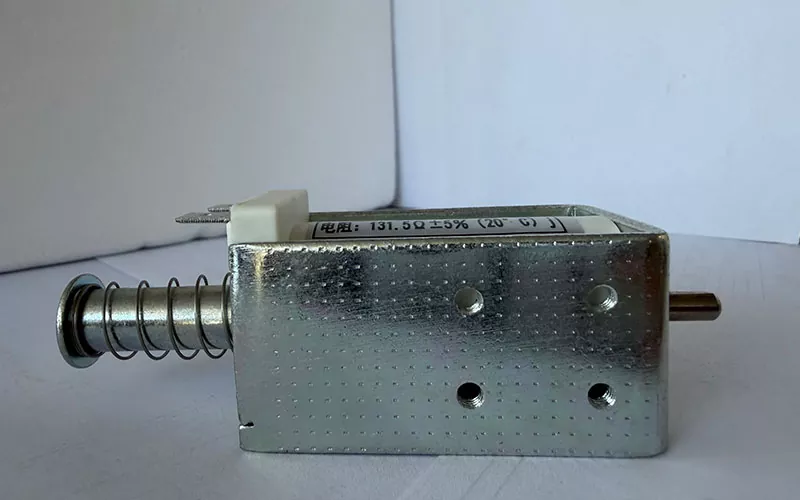
Operating mechanism internal space and mounting hole positions vary considerably between switchgear manufacturers and production years. The DC 220V Closing and Tripping Coil provides 4 threaded mounting holes on the top face and 4 on the side face - 8 in total - so builders can choose top fixing, side fixing, or a hybrid of both depending on the actual mechanism layout.
Select 4 or 6 holes for fixing according to the mechanism; using multiple holes does not reduce strength and helps avoid internal interference while finding the best force point. Bolts with spring washers are recommended to prevent loosening caused by switching vibration. Confirm thread hole spacing against the mechanism before ordering, especially on retrofit projects.
The coil uses 2 standard plug-in terminals that insert directly into matching receptacles, eliminating soldering and crimping. For switchgear builders doing batch assembly, wiring time is significantly shortened. For on-site coil replacement, no rewiring is needed - the coil is effectively plug-and-play. Locking receptacles are recommended to prevent vibration loosening, and DC220V polarity requirements must be observed during wiring.
| Component | Purpose | Material / Design |
| Push rod | Carbon steel metal | Withstands the high impact force at the moment of switching |
| Reset spring | Stainless steel, rear external mounting | Visible status and replacement without disassembling the coil body |
| Coil bobbin | White flame-retardant plastic | Reliable insulation support |
| Housing | U-shaped galvanized metal | Mechanical protection and mounting interface |
| Windings | Hard magnetic enameled wire | Stable electromagnetic output under short-time |
| Duty | — | — |
| Terminals | 2 pcs plug-in type | Solder-free connection to standard receptacles |
| Parameter | Specification |
| Product Name | DC220V Closing/Opening Coil (Plug-in Type, Double-Ended Shaft) |
| Operating Voltage | DC220V (DC 220V) |
| Coil Resistance | 131.5Ω |
| Resistance Accuracy | ±5% (20°C reference) |
| Steady-State Current | Approximately 1.67A |
| Instantaneous Power | Approximately 368W (short-time duty) |
| Accessories | Coil body, U-shaped galvanized metal housing, external reset spring, metal actuating push rod, white flame-retardant coil bobbin, plug-in terminals |
| Mounting | Fixed mounting — 4 holes on top face, 4 holes on side face, 8 threaded mounting holes total |
| Push Rod Material | Carbon steel metal |
| Reset Method | Spring self-reset (rear external reset spring) |
| Terminals | 2 pcs (plug-in terminals) |
| Standard | GB (China High Voltage Electrical National Standard) |
| Certification | ISO9001 Quality Management System |
| Applications | Power systems, power plants, substations, high voltage switchgear manufacturers |
| Use Cases | High voltage vacuum circuit breaker closing/opening operating mechanisms |
| Packaging | Carton packaging |
When replacing an existing DC 220V Closing and Tripping Coil, please provide the original coil model, operating voltage, coil resistance, push rod shaft type, mounting hole dimensions, and quantity. The Dongfa Intelligent technical team confirms the match between the double-ended shaft layout and the mechanism space before production.
The manufacturing difficulty of double-ended shaft closing/opening coils lies in controlling the coaxiality between the push rod and the coil bobbin - insufficient coaxiality can cause the double-ended push rod to jam during action. Units are assembled on dedicated low voltage lines, and every unit undergoes resistance testing and dielectric withstand testing before shipment. Push rod coaxiality is individually verified, and simulated short-time energization testing confirms smooth switching action. Plug-in terminal crimping strength and the position accuracy of the 8 threaded holes are also individually inspected before dispatch.
Dongfa Intelligent was founded in 2012 in Yueqing Economic Development Zone, Wenzhou, Zhejiang, with 14 years of manufacturing experience in high voltage electrical products, later expanding into low voltage electrical and switchgear accessory categories. High and low voltage parts can be purchased from the same supplier, which reduces coordination costs and improves matching consistency for switchgear builders. The company holds ISO 9001, ISO 14001, and ISO 45001 certification, supports factory audits, and has exported products to Southeast Asia and parts of Europe. Standard products ship in 7-15 working days and support a 1-unit trial order; custom products take 15-30 working days.
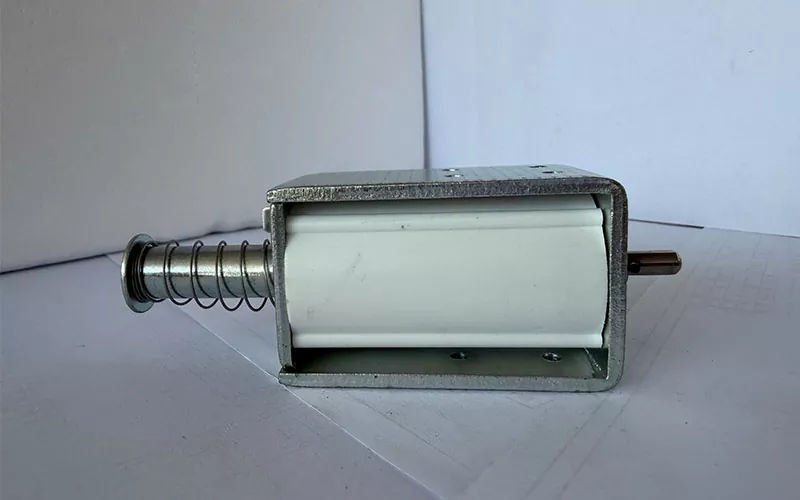
A: Double-ended shaft means the push rod is stressed bidirectionally along the axis, or outputs from both ends, under electromagnetic force, forming a symmetrical structure. Compared with a single-end push rod, it provides more balanced force during action and significantly reduces push rod tilting and unilateral wear, which suits operating mechanisms with high mechanical stability requirements.
A: The 4 top holes and 4 side holes are designed to fit operating mechanisms of different manufacturers and spatial layouts. You can fix with 4 or 6 holes according to the actual mechanism. Multiple hole options do not reduce strength and help avoid internal mechanism interference while locating the optimal force point.
A: It is recommended to use the same resistance and operating voltage. Resistance changes alter steady-state current and electromagnetic force, affecting switching time and action force. If the same resistance cannot be found, provide the original coil resistance and voltage and we can assist in calculating an alternative.
A: No. Long-term energization is strictly prohibited. This coil is short-time duty, with action time typically only tens to hundreds of milliseconds. If mistakenly connected to power long-term, the approximately 368W instantaneous power rapidly converts to heat and burns the coil.
A: Standard receptacles (female ends) are required. Locking receptacles are recommended to prevent vibration loosening. Note the positive and negative polarity requirements for DC220V wiring.
A: Please provide operating voltage, coil resistance, shaft type, mounting hole positions, and quantity. For replacement projects, the original model and mounting dimensions are also recommended.
Address
No. 281, Wei 18th Road, Yueqing Economic Development Zone, Yueqing, Wenzhou, Zhejiang, China
Tel